Settling in Germany as an unskilled worker is a topic that needs a realistic perspective, as many people have expectations without a clear understanding. Understanding it correctly helps with appropriate preparation. This article analyzes the realities of settling in Germany as an unskilled worker.
Settling in Germany as an Unskilled Worker: Germany Prioritizes Skilled Labor
It is important to understand the reality: Germany’s skilled-worker immigration system is mainly aimed at workers with skills, vocational training, or expertise. Unlike some other countries that have a clear track for purely unskilled labor, Germany generally ties opportunity to having vocational training or recognized skills.
This does not mean people without advanced skills have no chance; rather, the pathway usually goes through vocational training. For example, vocational training (Ausbildung) is a way for people without a specialized trade to learn one in Germany and work toward employment and settlement.
A Realistic Pathway for Vietnamese Workers
For Vietnamese people without advanced specialized skills, the realistic pathway in Germany is usually vocational training (Ausbildung) to obtain a trade recognized in Germany, then work and settle. This suits many young people who want to learn a trade while working toward settlement.
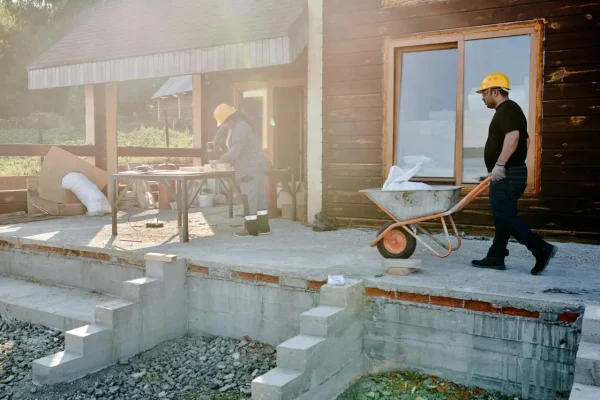
For those who already have skills in occupations Germany needs (construction, electrical work, welding, caregiving, etc.), demonstrating and having those skills recognized provides access to the skilled-worker category. “Unskilled workers” wanting to settle in Germany generally need to work toward having a recognized trade or skill.
Practical advice
Unskilled workers who want to settle in Germany should: consider the vocational training (Ausbildung) pathway if they are still young, or demonstrate and improve their skills in an occupation Germany needs, and prepare their German proficiency. Taking a realistic view and choosing a pathway through vocational training is the right approach.
You should refer to information about shortage occupations and vocational training information to understand the realistic pathway for unskilled workers.
Summary
Settling in Germany as an unskilled worker requires a realistic view: Germany’s system is mainly geared toward skilled and vocationally trained workers, with little track for purely unskilled labor as in some other countries. The realistic pathway is usually through vocational training (Ausbildung) or demonstrating skills in an occupation Germany needs. You should work toward having a recognized trade and prepare your German proficiency.