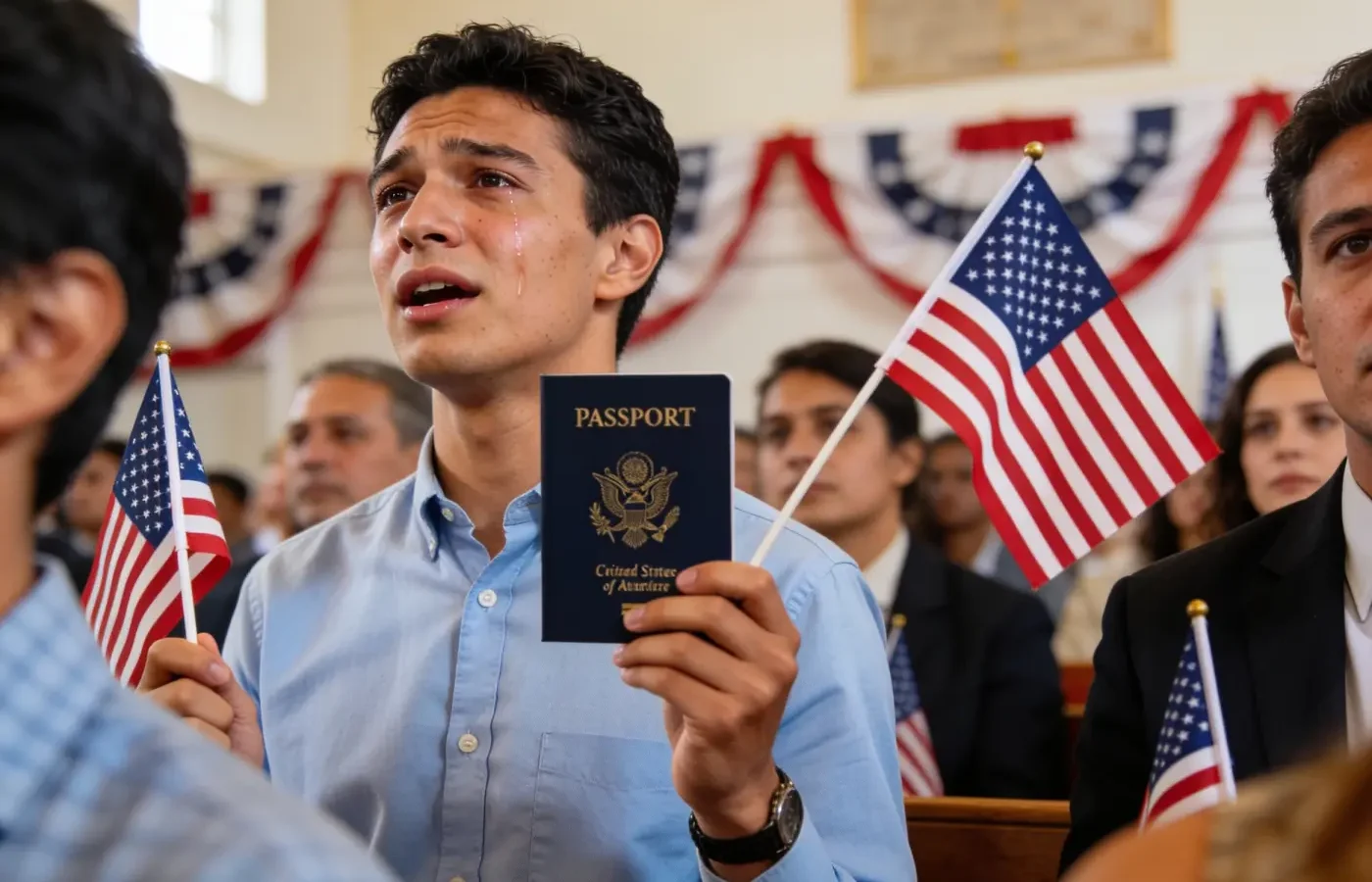
The path to citizenship is the ultimate destination many immigrants aim for, since a passport brings stability, voting rights and freedom of movement that permanent residents do not fully have. This article gives a neutral comparison of the path to citizenship in the US, Canada, Australia and Germany, from residency time to conditions and dual citizenship policy.
Two concepts need to be clearly distinguished: permanent resident (able to live and work long-term) and citizen (holding nationality and a passport). Skilled migration usually leads you to permanent residency first, and only after a period of valid residence do you become eligible to apply for naturalization. Understanding this journey helps you plan long-term for the whole family.
path to citizenship — illustrative image.
Contents
The general steps from residency to citizenship
Although the details differ, the path to citizenship in all four countries goes through similar stages. First is a visa allowing residency, either temporary or straight to permanent residency depending on the category. Next is maintaining permanent residency and meeting the requirement for actual physical presence in the country.
Once the residency period is met, you submit a naturalization application, usually with conditions such as proof of language proficiency, knowledge of the country, a clean criminal record, and sometimes a citizenship exam. The final step is taking the oath and receiving citizenship.
The key point is the requirement for “actual physical presence” in the country, not merely holding permanent resident status on paper. Traveling too much or being absent for long periods can interrupt the accumulation of time. So a naturalization plan needs to go along with actually living there stably.
Comparing the pathways of the four countries
Canada
Canada is seen as having a relatively clear and friendly path to citizenship. After becoming a permanent resident and accumulating enough actual presence time, you can submit a naturalization application, usually with a language requirement and a knowledge test about Canada for certain age groups. Canada allows dual citizenship. Official information from IRCC (Immigration, Refugees and Citizenship Canada) .
Úc
Australia also has a clear pathway, requiring a period of residence as a permanent resident before applying for citizenship, along with a citizenship test and character requirements. Australia allows dual citizenship. Information from the Australian Department of Home Affairs .
Germany
Germany requires a period of valid residence, German language proficiency, the ability to support yourself financially, and knowledge of German society, usually through a naturalization test. Germany’s dual citizenship policy has seen notable changes recently, so you should check the current regulations. General guidance for foreign nationals is available at Make it in Germany.
United States
The US requires holding a green card (permanent residency) for a certain period before applying for naturalization, along with an English and civics test, plus a good moral character requirement. The US allows dual citizenship. Information from USCIS (U.S. Citizenship and Immigration Services) .
Comparison table of paths to citizenship
| Tiêu chí | Canada | Úc | Germany | United States |
|---|---|---|---|---|
| Intermediate step | Permanent resident | Permanent resident | Stable valid residence | Green card (permanent residency) |
| Language requirement | English or French | English | German | English |
| Citizenship test | Yes, for certain age groups | Có | Yes (naturalization test) | Yes (civics knowledge) |
| Dual citizenship | Allowed | Allowed | Recent changes, check current rules | Allowed |
As the table shows, all four countries have a clear path to citizenship with a similar structure, differing mainly in language, length of residency and details of dual citizenship policy. You should avoid comparing by specific years, since these thresholds can change from period to period; instead, look at the overall structure and check the current thresholds at official sources.
The dual citizenship issue for Vietnamese people
This is a point of great interest to many Vietnamese people. Canada, Australia and the US generally allow dual citizenship, meaning that, on these countries’ side, you can keep another nationality. Germany is a special case with policy that has changed recently, so the current regulations need to be checked very carefully.
However, equally important are the provisions of Vietnamese law on nationality. Whether to keep or renounce Vietnamese citizenship when naturalizing abroad is a separate legal matter that you need to research under Vietnamese law and appropriate legal advice. Since this is an important legal issue, you should cross-check both sides and not rely on word of mouth.
Why many people pursue citizenship
Citizenship brings benefits that permanent residents do not fully have: the right to vote, a passport with more convenient travel, peace of mind that residency status cannot be lost due to absence, and in many countries the ability to pass citizenship to children. This is why citizenship is often the long-term destination, although it is not mandatory for everyone.
Another benefit of citizenship is peace of mind in unexpected situations. Permanent residents, even after many years, can still face the risk of losing residency status if they violate conditions or are absent too long. Citizens do not carry this risk, so for families who have decided to settle long-term, citizenship provides the most solid legal foundation for building a life and career with peace of mind.
Language requirements and the citizenship test
One of the naturalization requirements that worries many Vietnamese people the most is language and the citizenship test. This step requires serious preparation, but is entirely manageable if you start early.
On language, each country requires a certain level: English in Canada, Australia and the US (Canada also accepts French), and German in Germany. The level required for naturalization is usually higher than what is needed to start settling, since citizenship requires the ability to participate in civic life. People who have lived and worked in the destination country for many years usually meet this level naturally, but should still review before the exam.
For the citizenship test, all four countries have a form of test on the history, institutions, rights and obligations of citizens of that country, applied to certain age groups. The content usually has publicly available study materials from the relevant authority. This is a test that can be prepared for, not an insurmountable barrier, as long as you spend time studying seriously.
Character and background requirements
Besides language and knowledge, all countries require applicants to have a clean criminal record and good moral character during their period of residence. Complying with the law, paying taxes in full, and not violating residency conditions is the foundation. Certain past violations can affect a naturalization application, so maintaining good standing throughout the settlement process is very important.
Rights and obligations of becoming a citizen
Becoming a citizen brings many benefits that permanent residents do not have, but it also comes with obligations you should consider beforehand. Understanding both sides helps you decide whether naturalization truly fits your goals.
In terms of benefits, citizens have the right to vote and run for office, are issued a passport from that country with usually more convenient travel, cannot lose residency status due to a long absence, and in many countries can pass citizenship to their children. Citizens also have fuller access to certain public-sector jobs and benefits.
In terms of obligations, citizens must comply with that country’s laws and sometimes have specific duties. An important point for Vietnamese people is to consider tax obligations related to citizenship status, which vary between countries. You should research carefully the tax system of the country you naturalize in, since some countries tax based on residency while others take a different approach.
Citizenship is not the only option
It should be emphasized that not everyone needs to pursue citizenship. For many people, permanent resident status is already enough to live, work and enjoy most benefits. Citizenship is an additional option for those who want maximum stability and full citizen rights. You should treat naturalization as a carefully considered decision rather than a mandatory goal, especially since it involves the question of keeping or renouncing Vietnamese citizenship.
Long-term planning for the whole family
The path to citizenship is a matter of many years, so it should be planned for early and for the whole family. Children born or raised in the destination country may have their own pathway, sometimes more favorable. An accompanying spouse also accumulates residency time in their own way.
If you are at the stage of considering bringing family members along, the article Bringing family along when migrating will be helpful. For a framework for choosing the right country from the start, you can read the article choosing a country for skilled migration. And if you are interested in the speed of the initial stages, the article comparing processing times across 4 countries gives a view of the period before reaching permanent residency.
One practical piece of advice: maintain a genuine, stable presence in the destination country, keep your residency documents, pay taxes in full, and avoid long absences. This is the most solid foundation for a naturalization application later.
Summary
The path to citizenship in the US, Canada, Australia and Germany all goes through permanent residency before naturalization, with a similar structure but differences in language, length of residency and dual citizenship policy. No country is absolutely better; the right choice depends on your family’s goals, occupation, language, budget and long-term plan. Since this is an important legal matter, always check the current regulations at official sources and also consider Vietnamese nationality law.
References
- IRCC – Immigration, Refugees and Citizenship Canada (canada.ca)
- Australian Department of Home Affairs (immi.homeaffairs.gov.au)
- USCIS – U.S. Citizenship and Immigration Services (uscis.gov)
This article is compiled from government sources. Immigration regulations and figures may change over time; you should check current information on the official website before making a decision.
Can skilled migration lead straight to citizenship?
No. Skilled migration usually leads you to permanent residency first; only after a period of valid residence are you eligible to apply for naturalization. This is a multi-step path spanning many years.
Which country grants citizenship the fastest?
Timelines can change from period to period, so they should not be rigidly compared by number of years. All four countries have a similar structure; you should check the current residency thresholds at the official source of the country you are targeting.
Can I keep my Vietnamese citizenship when naturalizing abroad?
On the side of Canada, Australia and the US, dual citizenship is generally accepted; Germany has recently changed its policy and needs to be checked. Keeping Vietnamese citizenship also depends on Vietnamese law, so you need to research it and seek separate legal advice.
Does traveling a lot affect naturalization?
Yes. Most countries require actual physical presence in the country, not just holding permanent resident status. Long absences can interrupt the accumulation of time, so you need to maintain stable residency.
Do children have their own citizenship pathway?
Usually yes. Children born or raised in the destination country may have their own pathway, sometimes more favorable than their parents’. You should look into the specific regulations of each country for children.