Opening a bank account in Germany is one of the first things you need to do when you arrive. Almost every important transaction, from receiving your salary to paying rent and insurance, is done through this account. This article guides you through the process and how to manage your finances effectively.
Germany’s financial system operates strictly and transparently, relying more on transfers than cash for major transactions. Understanding how it works will help you settle in quickly and avoid unnecessary hassles in the early stage. The section below covers the core concepts and the practical steps you should follow in order.
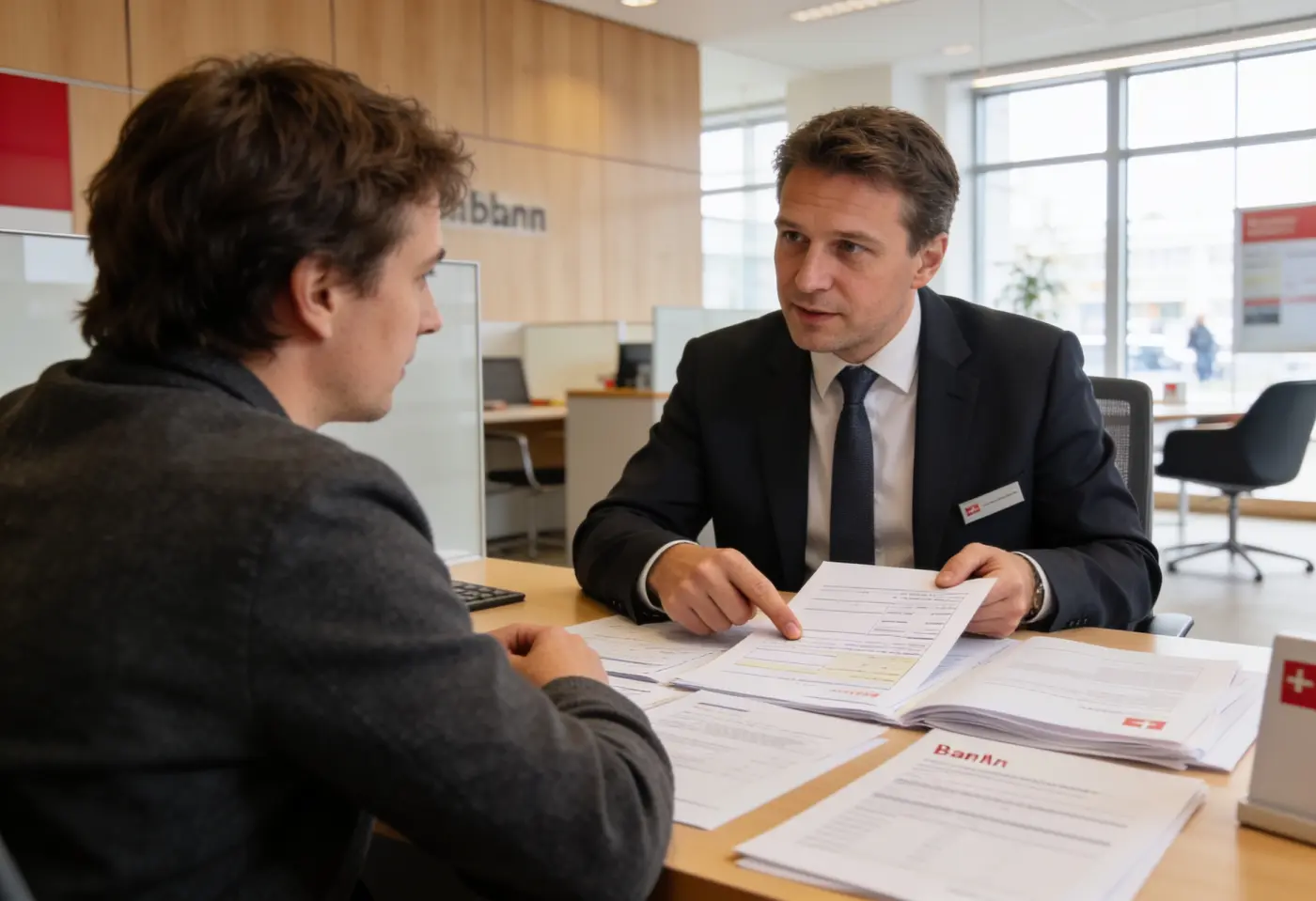
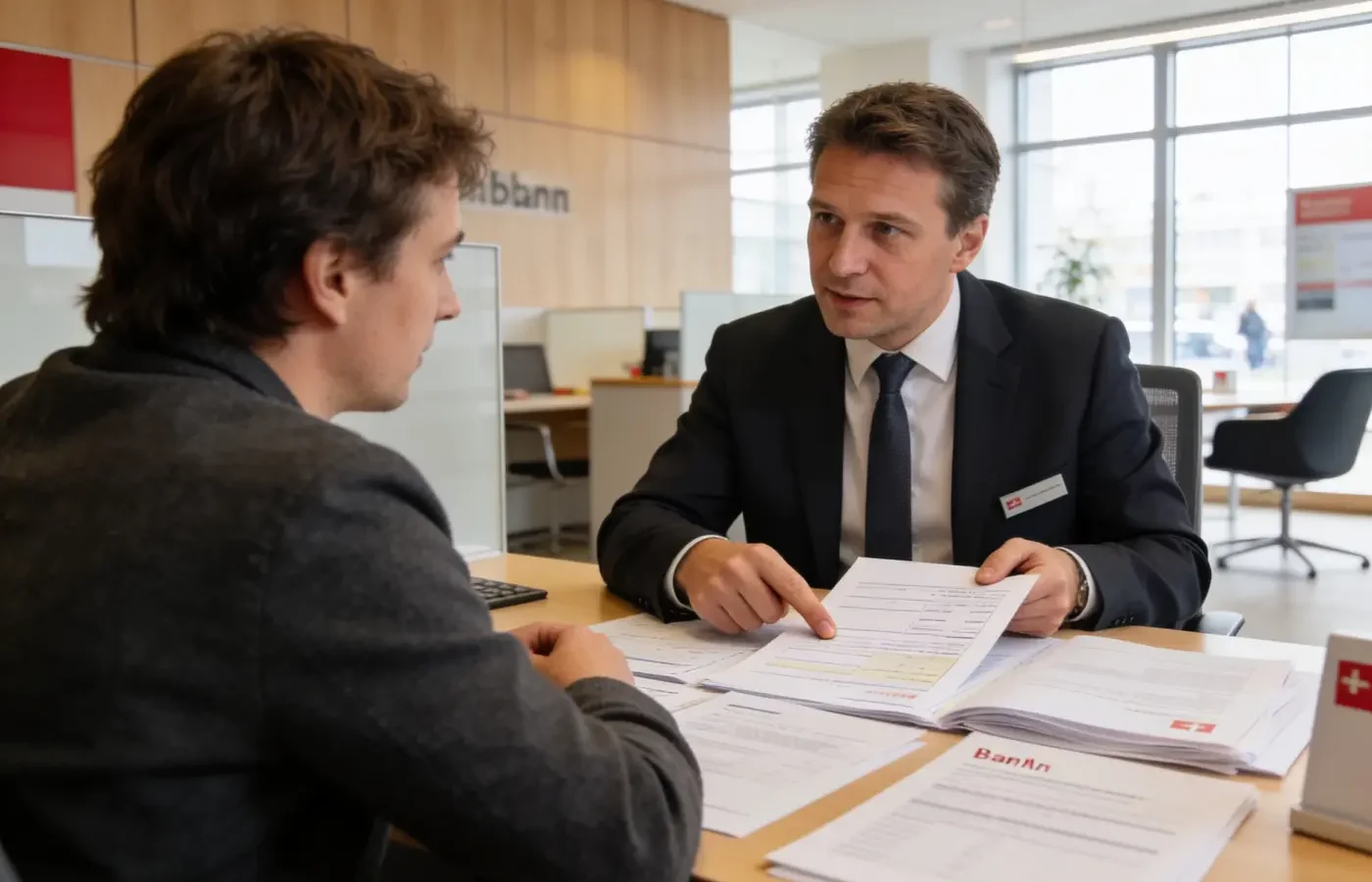
opening a bank account in Germany — illustrative image.
Contents
Why you need to open a bank account in Germany from the start
A personal payment account in Germany is called a Girokonto. This is the account used for daily life: receiving your salary, paying bills, paying rent and withdrawing cash. Without a Girokonto, you will have difficulty signing an employment contract, renting housing or registering for many essential services.
Most employers pay salaries by bank transfer, and most landlords require automatic monthly rent payment. So having a working Girokonto is almost a prerequisite for daily life to run smoothly. The German government’s official portal, Make it in Germany, also recommends that newcomers open an account early to make all procedures easier.
Types of banks and accounts in Germany
You have several options among service providers. Understanding the differences helps you choose the one that suits your needs.
- Traditional banks with branches: have branch offices where you can meet staff in person, suited to those who prefer direct advice, sometimes with account maintenance fees.
- Local savings banks (Sparkasse, Volksbank): a wide network, close to the community, present in almost every city and town.
- Online banks (Direktbank): open an account online, often with many fees waived, suited to those comfortable with apps and digital transactions.
When choosing, you should compare the monthly account maintenance fee, card fees, the network of free ATMs and the quality of the app. Some banks offer English-language support, useful in the early stage while you are not yet fluent in German.
SCHUFA and credit history
One concept you absolutely must know is SCHUFA. This is Germany’s credit rating system, which records each person’s payment history and financial reliability. A SCHUFA score affects many things: renting housing, signing a phone contract, buying on installment, or taking out a loan.
Newcomers have no SCHUFA history yet — this is normal and not your fault. However, because there is no record yet, some landlords or service providers may be more cautious. The best way to build a positive SCHUFA record is to pay every bill and obligation on time from the very start.
You should understand that good SCHUFA is an important intangible asset in Germany. Maintaining financial discipline and avoiding overdue debts will gradually build the credibility that helps with major transactions later, such as a home loan.
IBAN, SEPA and common payment methods
In Germany and across Europe, every account has an IBAN code. This is the international account number used to send and receive money. When receiving your salary or registering for services, you will often be asked for your IBAN, so keep this code handy.
Transfers within Europe go through the SEPA system, which allows convenient, low-cost money transfers between member countries. The two payment methods you will use regularly are:
- Überweisung: a transfer order that you initiate yourself, for example to pay a bill.
- Lastschrift: a direct debit authorization, which lets a service provider automatically deduct payment periodically — very convenient for rent, insurance or utilities.
Germans favor Lastschrift for fixed payments to avoid missing deadlines. However, you should still check your statement regularly to make sure the deductions are correct and to catch any errors quickly.
Procedures and documents for opening an account
Opening a Girokonto is usually fairly quick if you have all the required documents ready. The process can be done at a branch or online, depending on the bank. Below are the documents typically required.
- A valid passport or identity document.
- A valid residence permit or visa.
- A confirmation of residence registration (Anmeldung) from the local authority.
- Sometimes an employment contract or proof of income is required.
With online banks, identity verification is usually done via video or at a post office. Once the account is opened successfully, you will receive a debit card (Girocard or an international card) and online banking access information. Since completing the Anmeldung is a prerequisite for many procedures, you should prioritise getting it done early.
Managing family finances when newly settled
Having an account is only the starting point; managing cash flow well is what keeps a family stable in the long run. You should set a clear budget for fixed expenses such as rent, insurance and utilities, while also keeping a reserve fund for unexpected situations.
Health insurance is a large fixed item in the budget. If you are not yet clear on how the system works, you can refer to the article on health insurance in Germany for newcomers. For an overall picture of spending, the article on the cost of living in Germany is also very useful.
Another important note is tax. Income in Germany is taxed according to tax brackets (Steuerklasse), and choosing the right bracket affects the net amount a couple takes home each month. You can learn more in the article on income tax in Germany to plan your finances proactively.
Financial habits worth building early
- Pay every bill on time to build a positive SCHUFA record.
- Use Lastschrift for fixed payments but still check your statement regularly.
- Set aside a separate reserve fund covering a few months of living expenses.
- Consider a savings account (Tagesgeld) for idle funds.
Other account types and financial products
Besides the Girokonto used for daily life, the German banking system offers many other products you should know about to manage money more effectively for each goal. Understanding the purpose of each type helps you allocate your cash flow sensibly instead of leaving everything in one account.
- Tagesgeldkonto: a flexible savings account you can withdraw from at any time, suited for keeping a reserve fund and earning a little interest.
- Festgeld: a term deposit with higher interest but locked in for a set period, for funds you do not need yet.
- Children’s account (Kinderkonto): many banks offer accounts for children, useful for teaching your child financial habits.
- Credit card (Kreditkarte): convenient for booking, online shopping and travel abroad, but you need to use it with discipline.
Germans are generally cautious about debt and prefer paying by debit card or cash over consumer loans. Thriftiness and living within one’s means is a common financial cultural trait you will soon notice. Keeping spending balanced is not only good for the family budget but also helps build a healthy SCHUFA record.
Notes on tax and cross-border transactions
Once you open an account and have income in Germany, you become tied into the country’s tax system. Interest on savings may be taxable, and the bank will usually ask you for certain information related to your tax obligations when you open the account. This is a normal procedure to ensure financial transparency compliance.
Many newly arrived families also need to transfer money back and forth with Vietnam, for example to support relatives or receive money from home in the early stage. For cross-border transactions outside the SEPA area, you should compare fees and exchange rates between traditional banks and specialised money-transfer services, as the difference can be significant on large amounts.
You should keep statements and receipts for important transactions, both to track your personal finances and in case you need to prove the source of funds for administrative or tax procedures. Keeping financial records organised is a habit highly valued in Germany and will benefit you in the long run.
Avoiding common financial mistakes when newly arrived
The early settlement period is when financial mistakes are most likely, since everything is new and you have to handle many things at once. Knowing common pitfalls in advance will help your family avoid unnecessary trouble and maintain financial standing from the start.
- Letting the account go into overdraft beyond the allowed limit: many Girokonto accounts allow overdraft (Dispokredit), but the interest rate is very high; you should limit its use and repay quickly.
- Missing a payment deadline: a forgotten bill can affect your SCHUFA; set up Lastschrift for fixed payments.
- Signing a long-term contract hastily: phone, internet or gym contracts often come with binding terms; read the cancellation terms carefully.
- Not cancelling properly: in Germany, many services automatically renew if not cancelled by the notice deadline, which can easily lead to unwanted charges.
A good habit is to keep all letters and contracts organised, since administrative communication in Germany is mainly by paper mail. When you receive a letter from a bank or service provider, read and handle it promptly rather than letting it pile up. If you are not yet fluent in German, ask someone to help translate important documents so you do not miss any deadline or obligation.
Finally, you should take time to research carefully before committing to any financial product, from loans to investments. Caution and transparency are core values of the German financial system, and following that principle will help your family build a solid financial foundation for the years ahead.
Summary
Opening a bank account in Germany is the foundation for you to integrate into financial life here, from receiving your salary to paying fixed expenses. Choosing a bank, understanding SCHUFA and using SEPA payment methods correctly will make everything run smoothly. Depending on their needs and habits, each family can choose a traditional or online bank. Because conditions and fee schedules can change over time, you should check current information at official sources and with each bank before deciding.
References
This article is compiled from government sources. Immigration regulations and figures may change over time; you should check current information on the official website before making a decision.
What kind of account is a Girokonto?
A Girokonto is a personal payment account used for daily life in Germany, such as receiving salary, paying rent, paying bills and withdrawing cash. It is the first account a newcomer should open.
I have no SCHUFA history yet — can I still open an account?
Having no SCHUFA history as a newcomer is normal, and you can still open an account. The way to build a positive SCHUFA record is to pay every bill on time from the start.
What documents are needed to open a bank account?
You typically need a passport, residence permit and confirmation of residence registration (Anmeldung). Some banks also require an employment contract or proof of income.
What is an IBAN used for?
An IBAN is the international account number used to send and receive money in Germany and Europe. You will usually need to provide your IBAN when receiving your salary or registering for services.
Are online banks safe to use?
Reputable online banks in Germany are strictly regulated and often waive many fees. You should compare fee schedules, ATM networks and app quality before choosing.