Getting your children into school in Canada is a top concern for most families settling in. Understanding the education system helps you choose the right school and helps your child settle in smoothly.
The school system here differs from Vietnam’s in many ways, from grade structure and enrollment age to the province’s role in managing education. This article gives an overall picture of the school levels, public and private schools, enrollment procedures and related costs, so you can best prepare for your children.
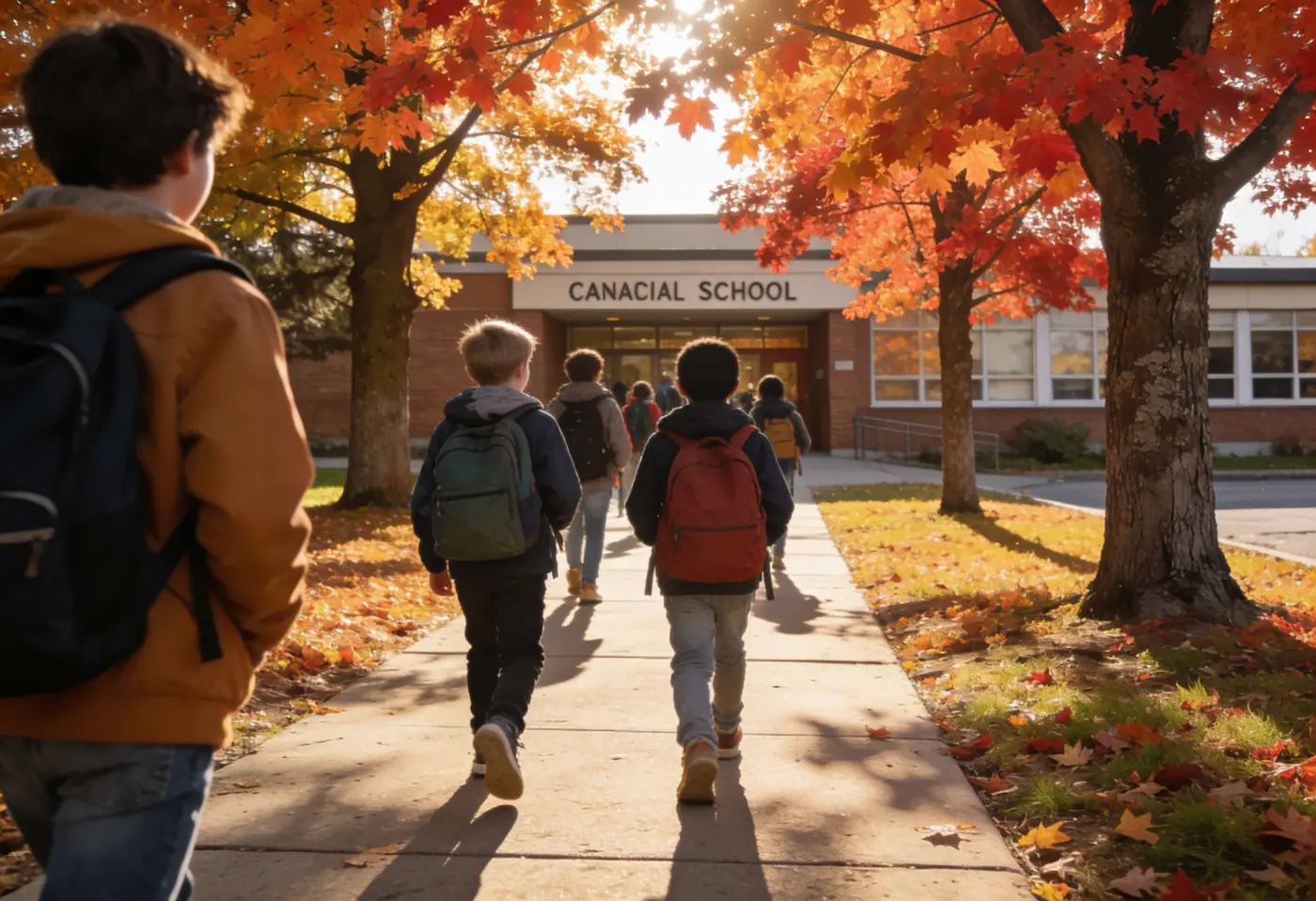
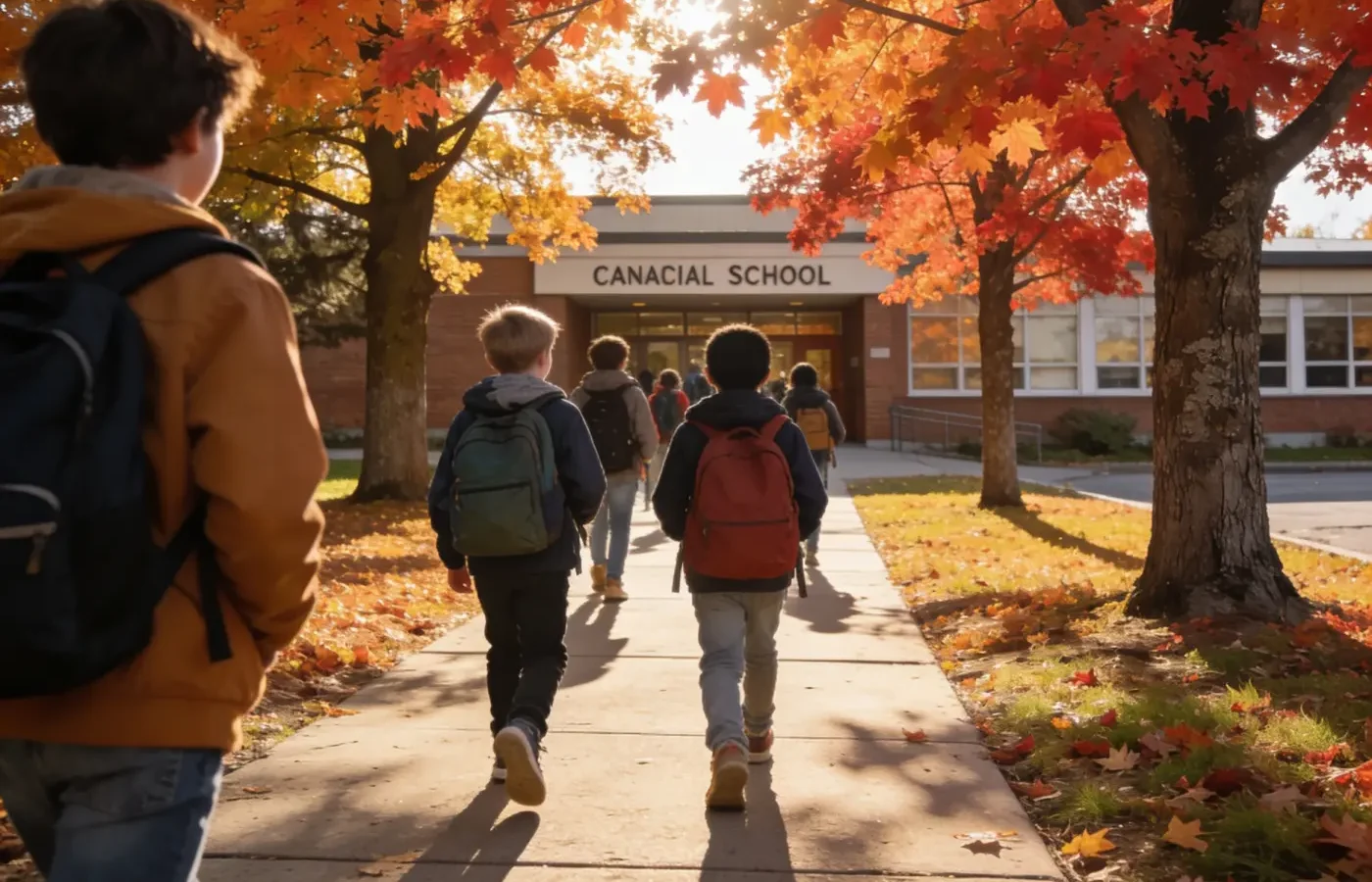
getting your children into school in Canada — illustrative photo.
Contents
Where does getting your children into school in Canada start?
The first thing you need to know is that education in Canada is managed by each province and territory; there is no single federal ministry of education running a common curriculum. As a result, enrollment age, class structure and certain regulations can vary between provinces.
Even so, the overall framework is fairly similar across the country. The general education system typically includes:
- Preschool and Kindergarten: a stepping stone before elementary school, with age requirements varying by province.
- Elementary: the foundational school years.
- Secondary / High school: preparation for university, college or trades training.
Public general education is compulsory within a certain age range and free of tuition for children who are permanent residents or citizens. This is one of the greatest benefits for newly settled families.
Public schools, private schools and language options
When it comes to getting your children into school in Canada, you have several options for the type of school. Each type has its own advantages suited to different goals.
Public schools
This is the choice of most families. Public schools are tuition-free for resident children, offer good quality, and are located within residential neighbourhoods. Children are typically assigned to a school based on their home address, so choosing where to live indirectly affects which school your child will attend.
Private and specialized schools
Private schools charge tuition and offer their own curriculum or educational philosophy. Some families choose private schools for personal reasons, but this is not a requirement for children to receive a good education.
Choosing the language of instruction
Canada has two official languages: English and French. Depending on the province, you can choose a school that teaches in English, French, or a bilingual program (French immersion). For children of Vietnamese families, schools often have English as a Second Language (ESL) support programs to help children catch up.
Enrollment procedures for your children
Once you have settled into housing, you should enroll your children as soon as possible. This is usually done through the school board responsible for the area where you live.
Documents typically required include:
- Documents proving the family’s residency status.
- Proof of address to determine the local catchment school.
- A birth certificate or other document proving the child’s age.
- Immunization records as required by the province.
- Previous report cards or academic records (if available), which should be notarized and translated.
The school may assess your child’s level to place them in the appropriate class, particularly regarding language ability. Don’t worry if your child is not yet fluent in English or French; language support programs are specifically designed to help newcomer children settle in. The Immigration, Refugees and Citizenship Canada portal also provides general guidance on enrolling children after settling in.
Costs of getting your children into school in Canada
Although public school is tuition-free, there are still related costs you should plan for. Knowing these costs in advance helps your family budget more accurately.
| Item | Characteristics |
|---|---|
| Public school tuition | Free for resident children and citizens |
| School supplies | Books, backpacks, equipment; costs are moderate |
| Extracurricular activities, field trips | May involve voluntary contributions or per-activity fees |
| After-school childcare | A significant expense for families with young children where both parents work |
| Daycare (before school age) | One of the largest costs for young families |
Daycare and childcare costs come as a surprise to many newcomer families because they can be quite high in major cities. Some provinces have childcare subsidy programs, so you should look into the policy where you live. To get a full picture of your family budget, see the article on cost of living in Canada, in which education and childcare costs are an important part.
Helping your children settle in and supporting their learning
Adjusting to a new environment is a major challenge for children, especially regarding language and friendships. The good news is that children generally adapt faster than adults, and schools in Canada have many support mechanisms in place.
Some things you can do to help your child:
- Stay in regular contact with teachers to keep track of your child’s progress.
- Encourage your child to join extracurricular activities to make friends and practice the language.
- Keep speaking Vietnamese at home so your child retains their identity and bilingual ability.
- Take advantage of free settlement support services available to newcomer families.
Connecting with the community also helps the whole family settle in faster. Joining local Vietnamese community groups provides support with school information and practical experience. You can learn more in the article on the Vietnamese community in Canada to find useful areas and groups.
School health
Children attending school in Canada still need adequate healthcare. Make sure your child has a provincial health card and immunization records that meet school requirements. You can read more about health insurance in Canada for newcomers to understand how to register a health card for each family member.
What a school day looks like for your children
Many Vietnamese parents are curious about the daily rhythm of children at Canadian schools, which differs quite a bit from back home. Understanding this helps you support your child better and worry less during the first weeks.
School typically starts in the morning and ends in the early afternoon. Children eat lunch at school, either bringing a packed lunch or using the cafeteria depending on the school. The schedule alternates between academic subjects, physical education and creative activities, with an approach that emphasizes participation and critical thinking over rote memorization.
Teaching methods emphasize asking questions, teamwork and speaking up. Vietnamese children, who are used to a quieter classroom environment, may need time to adjust, but most catch up quickly. Teachers also tend to encourage and create a friendly atmosphere to help new students feel confident about fitting in.
The role of parents
In Canada, schools expect active parental involvement. You may be invited to parent-teacher meetings, volunteer activities, or regular check-ins with teachers about your child’s progress. Keeping an open line of communication with teachers is the best way to stay informed and support your child in a timely manner.
Things to note when changing schools or provinces
Since education is managed by each province, moving to a new place of residence can bring changes in curriculum, class structure and certain regulations. If your family plans to move, you should research the new province’s system in advance so your child’s education is not disrupted.
Some things to note when changing schools:
- Request report cards and academic records from the previous school for the transfer.
- Contact the school board in the new location to enroll in the correct catchment school.
- Check whether your child’s immunization records meet the requirements of the new province.
- Ask about support programs if your child needs to readjust to a new environment.
Children generally adapt well to change, but parental preparation makes the transition much smoother. Choosing a stable, long-term place to settle, if possible, helps your child avoid changing schools multiple times.
Pathways after high school
As your child moves up through school, you will face choices about university, college and trades training. The post-secondary system in Canada is highly diverse and flexible.
Some common pathways after high school include:
- University: awards bachelor’s and graduate degrees, focused on academics and research.
- College: focused on practical skills, closely tied to the labour market.
- Trades: in-demand technical trades with a clear apprenticeship pathway.
Children of permanent residents and citizens typically pay domestic tuition rates, much lower than international students. This is a major long-term advantage. Even while your child is still young, understanding these pathways in advance helps the family plan its direction and finances early.
Preparing mentally and setting realistic expectations for the family
Getting your children into school in a new country is not just a matter of procedure, but also an emotional journey for the whole family. Setting realistic expectations helps you and your child get through the initial period more smoothly.
In the first few weeks, your child may feel unsettled due to the language barrier, an unfamiliar environment and different teaching methods. This is completely normal and usually passes quickly. Parental patience and encouragement matter more than any extra tutoring during this period.
Some tips to help your child adjust:
- Talk with your child every day so they can share their joys and difficulties at school.
- Avoid putting pressure on grades in the first few months; prioritize your child feeling safe.
- Create opportunities for your child to make friends through neighbourhood activities.
- Acknowledge every small improvement to boost your child’s confidence.
Children have a remarkable capacity to adapt. Most children become fluent in the new language and naturally blend in with friends after just a short time. It’s important for the whole family to see this as a process, not something that happens overnight.
Connecting with support resources
You are not alone on this journey. Many settlement support organizations offer free services for newcomer families, including school guidance, language support and community activities. Taking advantage of these resources saves your family time spent figuring things out on your own and helps your child find stability sooner.
Summary
Getting your children into school in Canada is a smooth journey if you understand the system and prepare thoroughly. Tuition-free public schools, language support programs and a welcoming environment help children settle in quickly. Depending on your goals, your child’s age and where your family lives, each household will have its own choice of school and direction that best fits them.
References
This article is compiled from government sources. Immigration regulations and figures may change over time; you should check current information on the official website before making a decision.
Do resident children have to pay tuition for public school?
No. Public general education is tuition-free for children who are permanent residents or citizens, although there are still some related costs such as supplies and extracurricular activities.
Can a child who doesn’t know English still attend school?
Yes. Schools in Canada typically have English as a Second Language (ESL) support programs to help newcomer children catch up and settle in.
What documents are needed to enroll a child?
You typically need residency documents, proof of address, proof of the child’s age, immunization records, and previous report cards (if available), and Vietnamese-language documents should be notarized and translated.
How are children assigned to schools?
Public schools typically assign students based on home address, so choosing where to live indirectly determines which school your child attends.
Is university tuition for children of residents different from international students?
Yes. Children of permanent residents and citizens typically pay domestic tuition rates, significantly lower than those for international students.