When newly settling abroad, a trustworthy network of fellow countrymen can make a big difference. The Vietnamese community in Canada has formed over many decades, with densely populated areas and a rich system of support groups.
This article outlines where the Vietnamese community in Canada is most concentrated, the types of groups commonly found, and how to make smart use of this network to integrate quickly while staying appropriately cautious.
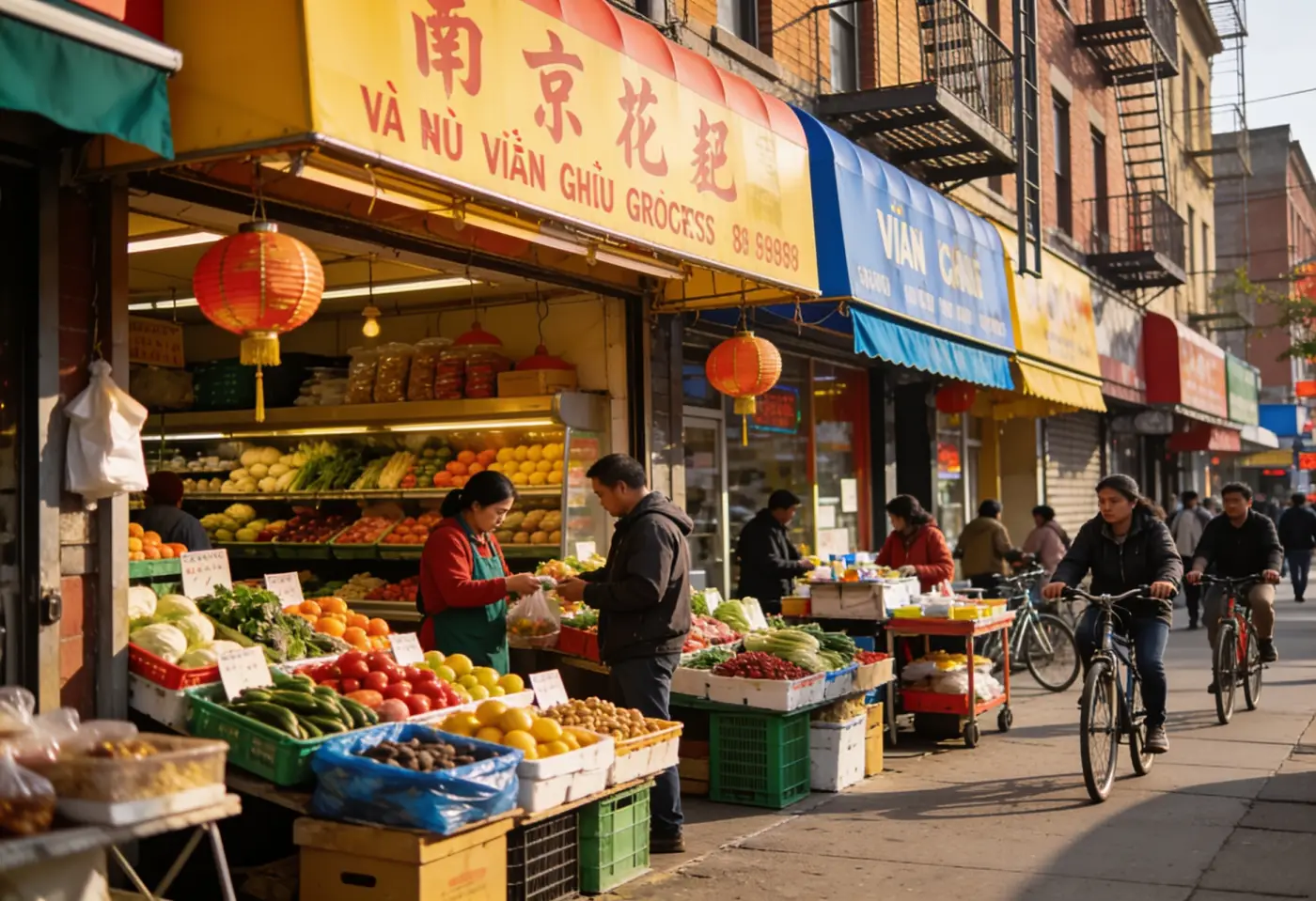
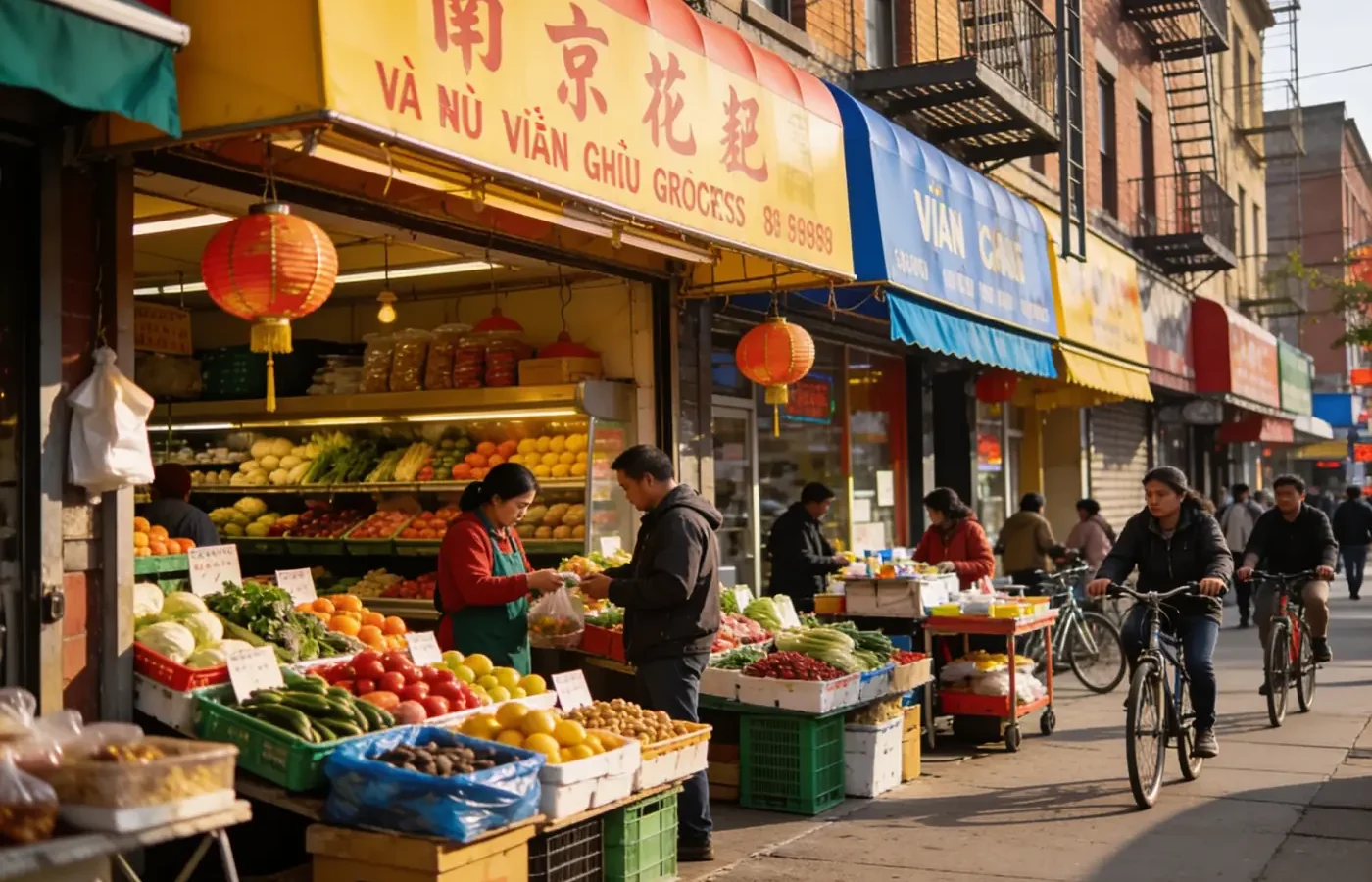
Vietnamese community in Canada — illustrative image.
Contents
Where the Vietnamese community in Canada is concentrated
The Vietnamese community in Canada belongs to a long-established group of Asian communities, formed through multiple waves of migration. Today, people of Vietnamese origin are present in most major cities, but are clearly concentrated in certain metropolitan areas.
Overall, Ontario has the largest population of Vietnamese origin, followed by British Columbia and Quebec. This distribution is tied to where job opportunities and established communities already exist, creating a pull for newcomers.
Metropolitan areas with large Vietnamese populations
- Toronto (Ontario): the metropolitan area with the largest Vietnamese community. Vietnamese people live spread across the city and surrounding suburbs, with bustling commercial areas full of Vietnamese shops and restaurants.
- Vancouver (British Columbia): a major West Coast destination, with a mild climate and a large Asian community, suitable for those who like being near the coast and want to avoid overly harsh winters.
- Montreal (Québec): a French-speaking center with a long-established Vietnamese community. This is a distinct option for those who want, or are already used to, a French-speaking environment.
- Calgary và Edmonton (Alberta): two western cities with growing Vietnamese communities, tied to job opportunities across many industries.
Choosing where to settle should weigh both community and practical factors: job opportunities in your field, housing costs, climate, and the province’s main language.
Types of groups and support networks
The strength of the Vietnamese community in Canada lies not just in numbers but in the diversity of its support network. Newcomers can find many different channels, each serving a different need.
- Hometown and cultural associations: organize Lunar New Year events, connecting Vietnamese people by hometown or city of residence.
- Social media groups: city-based groups are usually very active, sharing information on rentals, jobs, buying and selling used goods, and procedural experience.
- Religious institutions: Vietnamese temples and churches are often spiritual anchors and community connection points.
- Vietnamese businesses: Vietnamese markets, supermarkets, restaurants and service shops both meet daily needs and serve as meeting places.
Official settlement support organizations
Besides the network of fellow countrymen, Canada has a system of publicly funded settlement services, free for permanent residents. These organizations help with finding housing, finding jobs, learning the language and handling initial procedures, and some have Vietnamese-speaking staff.
You can find settlement support services near your home through the portal of Government of Canada — Immigration and citizenship. Combining official channels with the network of fellow countrymen will give you balanced, reliable information.
Why connecting with the community helps newcomers
In the first few months, everything is new: how to rent a home, open a bank account, enroll children in school, find a job. A network of fellow countrymen shortens the path, since they have already been through the same things.
- Practical experience about livable areas, schools, and affordable places to shop.
- Job information and referrals, especially in specific industries.
- Emotional support, reducing feelings of isolation during the transition period.
- Preserving the Vietnamese language and cultural identity for children through community activities.
For families with young children, the community is also a place to find weekend Vietnamese classes and peers for children, helping them integrate while not forgetting their roots.
Making smart use of the community
The community is a valuable resource, but it should be used selectively. Word-of-mouth information can sometimes be outdated or not applicable to your situation, especially regarding immigration and tax procedures, which change from period to period.
| Need | Ask the community | Check official sources |
|---|---|---|
| Neighborhoods, schools, markets | Very suitable | Not required |
| Job-hunting experience | Useful as a reference | Depends on the industry |
| Immigration, tax, and permit regulations | For orientation only | Must verify with official sources |
Safety principle: use the community for life experience and orientation, but verify any decision related to legal procedures with an official authority or a qualified professional. Be wary of unofficial promises of “shortcuts”.
How to start connecting
- Join a few city-based groups for where you plan to settle even before you move.
- Contact a local settlement support organization within the first week.
- Visit Vietnamese markets and supermarkets to get familiar with the environment and ask practical questions.
- Attend community events during Lunar New Year to expand your network.
The role of the community in the first few months
The hardest period for most newcomers is the first few months, when all procedures and habits are unfamiliar. This is also when the Vietnamese community in Canada proves most valuable, if you know how to approach it correctly.
Before moving, joining city-based groups helps you get a rough idea of rental prices, which areas to live in, and what needs to be done right away. Many people find a temporary rental or an initial guide precisely through these groups, making the first week less shaky.
Once you’ve arrived, fellow countrymen can walk you through things that seem small but can be confusing: showing you how to use public transit, pointing you to affordable places for household goods, or giving tips on filling out a form. These small bits of help add up to save you a lot of time and worry.
That said, remember that every family’s situation is different. Advice that suits one person may not suit you, especially regarding finances or legal procedures. Listen to multiple sources, then cross-check against your own situation and official sources before deciding.
Linking the community to other settlement steps
The community network works best when combined with a solid grasp of underlying procedures. For instance, someone who came before you might recommend a convenient bank, but you should read the article open a bank account and manage finances in Canada to be proactive about how it works.
Similarly, the community can help you choose an area with good schools for your children, while the enrollment process is covered in the article sending children to school in Canada. When the whole family moves together, arranging family documentation should be checked against the article bringing your family to Canada so that every family member is declared correctly.
Finally, fellow countrymen in the same industry are a good source of information about career opportunities, but actually being licensed to practice still depends on official procedures; the article credential recognition in Canada will help you understand the pathway clearly.
Overall, the community is like a map of life experience, while official sources are the legal map. Newcomers who succeed are usually those who know how to use both maps side by side, rather than relying on just one. This combination helps you integrate quickly while making decisions based on accurate information.
Once settled, many people choose to give back to the community: sharing experience, supporting those who arrive later, and helping organize events. This cycle of giving and receiving is what keeps the Vietnamese community in Canada sustainable and increasingly strong across generations.
Choosing where to settle: balancing community and opportunity
A large community is an attractive factor, but it shouldn’t be the only factor when choosing where to settle. A balanced decision will help you settle more sustainably in the long run.
In major metropolitan areas with a large Vietnamese community in Canada, you’ll easily find familiar food, services and support, but housing costs are usually higher. Conversely, some smaller cities have more affordable costs and demand for labor in a few specific industries, though the community of fellow countrymen is thinner.
The career factor is very important: a place with high demand for your occupation may sometimes be worth prioritizing over a place with a large Vietnamese community. In addition, the province’s language also needs to be considered, especially Quebec, where French plays a leading role in daily life and work.
- Employment: where there is high demand for your occupation.
- Cost of living: housing and living expenses that fit the family budget.
- Community: the extent of the presence of fellow countrymen and support services.
- Language and climate: factors with a major impact on daily quality of life.
A wise approach is to consider starting in a place with a strong community and support services to get through the initial period, then move according to career opportunities once you are more established. As a permanent resident, you are free to choose where to live and work anywhere in Canada.
Preserving identity while integrating at the same time
A quiet challenge for many new families is balancing integration into the new society with preserving their original identity. The Vietnamese community in Canada plays an important bridging role for both goals.
On integration, participating in shared life — through work, children’s schooling, local activities — helps your family become part of the new society, expanding relationships beyond the group of fellow countrymen. This matters for career opportunities and children’s development.
In terms of identity, community activities such as Tet celebrations, weekend Vietnamese classes, cuisine and religious practices help your children understand their roots and keep their mother tongue. Many families find that a child who integrates well while still speaking Vietnamese has a valuable advantage, not a burden.
There is no universal formula for this balance. Each family finds the harmony that works for them, and the community is a resource for learning how others before them have done it. What matters is actively engaging with both sides rather than staying closed off within one group.
Summary
The Vietnamese community in Canada is concentrated in major metropolitan areas such as Toronto, Vancouver and Montreal, with a wide network of associations and settlement support services. This is a valuable resource for newcomers, but it should be used for life experience and orientation, while legal decisions should be verified against official sources. Depending on your goals, occupation and language, you should consider which region to settle in based on your family’s circumstances.
References
This article is compiled from government sources. Immigration regulations and figures may change over time; you should check current information on the official website before making a decision.
Which city has the largest Vietnamese community in Canada?
The Toronto metropolitan area has the largest Vietnamese community, followed by Vancouver and Montreal. Ontario is the province with the largest Vietnamese-origin population, followed by British Columbia and Quebec.
When should I join Vietnamese community groups?
You should start even before you move, by joining groups for your destination city. This helps you get information on rentals, jobs and procedures, easing the adjustment in the early days.
Besides the community of compatriots, are there any official support channels?
Yes. Canada has a system of publicly funded settlement support organizations, free for permanent residents, that help with finding housing, jobs and language learning. Some locations have Vietnamese-speaking staff.
Is information from the community reliable for immigration procedures?
It should be treated as general guidance for reference. Immigration, tax and licensing regulations change periodically, so any legal decision must be verified with an official agency or a qualified professional.
How can I help my children keep their Vietnamese while living in Canada?
Many communities organize weekend Vietnamese classes and cultural activities during Tet. Taking part in these activities helps children integrate while maintaining Vietnamese and their family identity.