Winter life in the US in the northern states is a challenge for Vietnamese people used to a tropical climate, since winter here brings snow and freezing cold. Good preparation helps you adapt safely. This article shares about winter life in the US and how newcomers can prepare.
How harsh is winter life in the US in the North
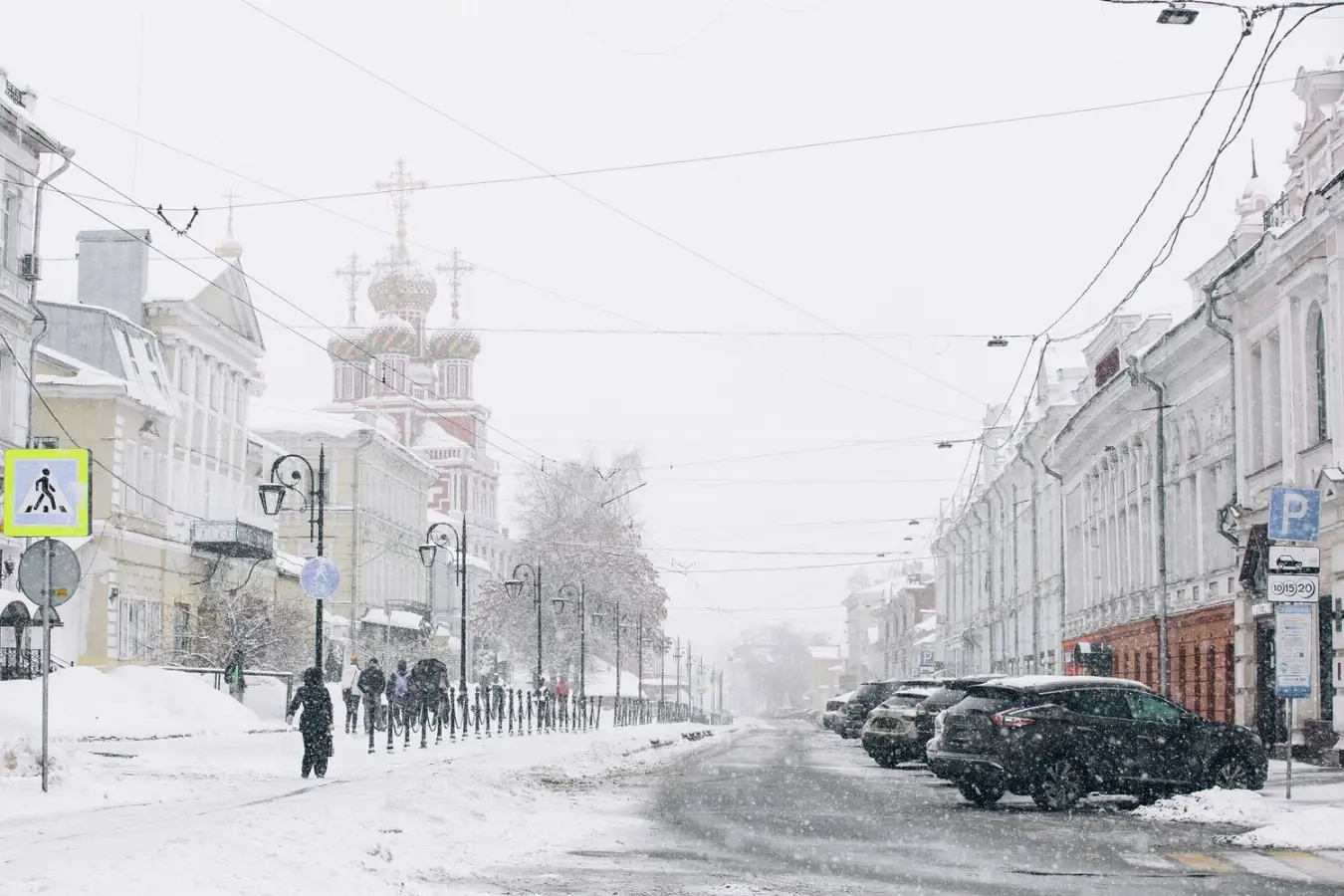
The northern states and inland regions have long winters, with low temperatures, snow and sometimes blizzards. This is a completely new experience for those used to a warm climate year-round, like in Vietnam.
Snow and ice affect travel and daily life and require specific preparation. Understanding this in advance helps you not be caught off guard when winter arrives.
Preparing for winter
You need to prepare suitable warm clothing: a heavy coat, gloves, a hat, a scarf and non-slip shoes. Indoors, the heating system matters, and the resulting higher heating costs in winter need to be factored into the budget.
If you drive, you need to get used to driving on snow and ice and prepare your vehicle for winter. This is a new skill you need to learn for safety.
Winter safety
Keep safety in mind: stay warm, be careful on slippery roads, monitor weather forecasts and blizzard warnings. In harsh conditions, you should limit going outside unless necessary.
You should refer to winter safety information and emergency information to prepare and stay safe during winter in the northern states.
Summary
Winter life in the US in the northern states involves snow and prolonged cold, a new experience for Vietnamese people. You need to prepare warm clothing, a heating system, get used to driving on snow, and pay attention to safety. You should monitor weather forecasts and prepare thoroughly before winter arrives.
═══════════════════════════════════════════════════════════════════
References
- National Weather Service — Winter Safety: https://www.weather.gov/safety/winter
- USA.gov — Emergencies and disasters: https://www.usa.gov/emergencies
Read more: Overview of the EB-3 visa for US immigration · Keeping Pets in the US: Costs and Regulations to Know