After taking possession of a rented or purchased home in Australia, one of the first things you need to handle is setting up utilities in Australia — electricity, gas and water — along with an internet service for your new home. This is an essential group of procedures that directly affects the whole family’s daily life. In this guide, the My Second World team will walk through each specific step, from choosing a provider and preparing the necessary documents, to the actual processing time for each service.
Unlike in many countries, the electricity and gas markets in most Australian states have been deregulated. This means consumers can freely choose their own retailer instead of being assigned a single provider. Understanding this point helps you be more proactive when you first arrive.
Overview of the utility services you need to set up
When moving into a home in Australia, you generally need to arrange four main groups of services. Each has its own registration mechanism and processing time, so understanding the full picture from the start will help you avoid moving in without electricity or internet.
- Electricity: Almost every home needs it. You can freely choose your electricity retailer.
- Gas: Not every home uses gas. You only need a connection if the home has gas cooking appliances, heating or a gas hot water system.
- Water: Usually already connected and managed by the local water utility; it is not a market where you get to choose.
- Internet: You choose your own provider and plan. Most areas use the national NBN network infrastructure.
In addition, some states separate out sewerage and waste collection services, which are usually bundled into the local council’s bill. You should ask the landlord or leasing agent clearly about how costs are split as soon as you sign the lease.
Preparing documents and information before setting up utilities in Australia
Before calling or registering online, you should gather some basic information in advance. This makes your conversation with the provider quick and simple, avoiding multiple follow-up calls. Overall, the paperwork for setting up utilities in Australia is quite simple compared with many other settlement procedures.
- The full address of your new home (including unit number and postcode).
- The move-in date and the date you want the service to start (if different).
- Identity documents: passport or an Australian driver’s licence.
- Evidence of your right to occupy the address, such as a tenancy agreement.
- Contact details: an Australian phone number and an email address to receive bills.
In addition, if you previously had an address in Australia and are moving, also prepare your old account number. Some retailers may need this to transfer your contract and disconnect the service at your old address, avoiding double billing.
Newcomers without a credit history in Australia are sometimes asked to pay a small deposit or provide additional documents. This is normal practice, not a sign that anything is wrong with your application.
How to choose an electricity and gas retailer
Because the electricity and gas markets have been deregulated in many states, you should compare several retailers before deciding rather than choosing at random. Prices and terms between providers can vary significantly even within the same area.
For an objective comparison, you can use the official price comparison tool operated by the Australian Energy Regulator (AER). This tool compiles the electricity and gas plans available at your address, based on data retailers are legally required to provide. This helps newcomers avoid ending up with an expensive plan due to lack of information.
When comparing, you should pay attention to a few key factors rather than just the advertised price:
- The price per kWh of electricity and the fixed daily supply charge.
- Whether an initial connection fee applies, and the amount under the retailer’s current fee schedule.
- The type of contract: whether it has a fixed term, and the penalty terms for early cancellation.
- Discounts, incentives and their attached conditions (for example, paying on time).
Once you have chosen a retailer, registration is usually done online or by phone in a short amount of time. If the home already has a meter, electricity is typically activated within 1 business day. Gas can take longer, sometimes up to 3 business days, so arrange it early.
Step-by-step guide to setting up electricity and gas
To avoid missing anything, the My Second World team has summarised the electricity and gas connection process into the ordered steps below. You should start at least 5 business days before your move-in date.
- Determine your needs: Check whether the home uses electricity only or both electricity and gas. Ask the landlord if you are unsure.
- Compare and choose a retailer: Use the AER’s tool or call a few retailers directly to ask about pricing.
- Register for the service: Provide your address, move-in date and identity documents to the retailer you have chosen.
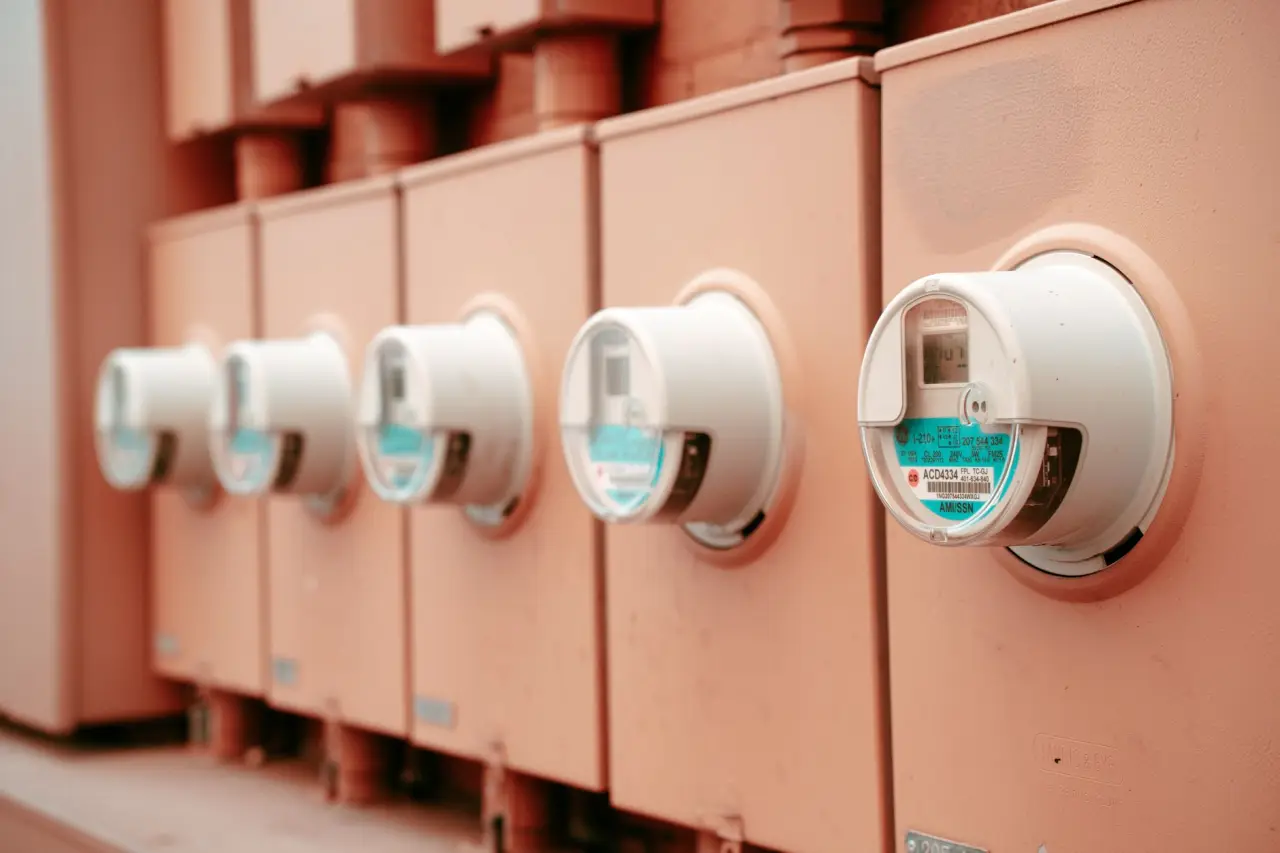
- Record the meter readings: Photograph the electricity, gas and water meter readings at your new address on the day you take possession, for cross-checking your bills.
- Confirm the connection date: Receive confirmation of when the service officially starts, and save your account number.
Recording the meter readings is a very important step that is often overlooked. Keeping the figures and the date lets you cross-check when your first bill arrives, ensuring you only pay for the electricity and water you actually used.
Setting up water and local council services
Unlike electricity and gas, water in Australia is not a market you can shop around in. Each area has only one water supplier, usually linked to the local council or the state water authority. There is therefore no need to compare water providers.
In most rental situations, the water supply is already connected and running normally when you move in. Responsibility for paying the water bill is usually split between landlord and tenant according to the lease. You should therefore read this clause carefully before signing.
If you have purchased a home, you need to transfer the water account into your name through the local water authority. Activating or transferring the water account name can sometimes take longer to process than other services. Submitting the request early is therefore the safe way to avoid disruption.
Besides water, the local council also manages services such as waste collection, sewerage and residential infrastructure charges. Each council has its own website with specific guidance for its area. You should visit the website of the council where you live to find out the rubbish collection schedule and the applicable charges.
Connecting to the internet and the NBN
Internet is usually the service that takes the longest to set up, so you should register early. Most areas in Australia use the National Broadband Network (NBN) infrastructure. Users choose an internet service provider that resells access on this network, then choose a suitable speed plan.
Before registering, you should check whether an active NBN connection already exists at your new address. If the home already has NBN equipment installed, transferring the service into your name can be fast, sometimes within 1 to 5 business days. On the other hand, if a technician needs to come and install equipment, it usually takes longer, potentially 5 to 20 business days depending on appointment availability.
For this reason, the My Second World team recommends booking your internet plan at least 3 to 4 weeks before your move-in date. This way, your family has internet from the very first days for study, work and communication. When comparing plans, you should consider download speed, data allowance, whether the contract has a fixed term, and the installation fee under the provider’s current fee schedule.
Timeline and processing times for each service
For a clearer picture, the table below summarises the reference processing time for each service. The figures are indicative and may vary by state, provider and the existing infrastructure at your address.
| Service | Can you choose the provider? | Reference processing time |
|---|---|---|
| Electricity | Yes (deregulated market) | Usually within 1 business day if a meter is already installed |
| Gas | Yes (deregulated market) | Can take up to 3 business days |
| Water | No (local supplier) | Usually already connected; name transfer can take longer |
| Internet (NBN) | Có | 1 to 20 business days depending on infrastructure |
Looking at the table, water and internet are the two services you need to start earliest because of their longer processing times. Electricity and gas, meanwhile, are usually faster but should still be registered at least a few business days in advance.
Besides utility information, newly arrived migrants should refer to the Australian government’s official settlement guide. According to the Department of Home Affairs, the settlement guide provides guidance on housing, essential services and the steps to stabilise life for skilled migrants. This is a reliable reference source you can consult when needed.
A few notes to help you avoid mistakes
Newcomers often run into a few small issues that can be time-consuming if not anticipated. Below are notes the My Second World team has compiled from real experience assisting skilled migration clients in Australia.
- Arrange to disconnect services at your old home (if any) to avoid being billed at two addresses at once.
- Ask clearly about the initial connection fee before settling on a retailer, as fees vary between providers.
- Keep the confirmation email and your account number for easy reference and complaints when needed.
- Read the lease carefully to know which charges the landlord pays and which the tenant is responsible for.
In addition, if your first bill looks unusual compared with your actual usage, you should contact the provider immediately with the meter reading photos you took. Keeping evidence from the day you took possession of the home will help you resolve the issue quickly and accurately.
Summary
Setting up utilities in Australia along with gas and internet is a basic settlement procedure, but it needs to be done in the right order and at the right time. Remember three core points: you can freely choose your electricity and gas retailer, so compare prices; water is managed by a local supplier and is usually already connected; and internet needs to be registered earliest because installation takes the longest.
As a next step, you should create a checklist aligned with your moving schedule: prepare documents, compare providers, register each service a few days to a few weeks in advance, and photograph the meter readings on the day you take possession. Following this sequence, your family will have full utilities from the very first days.
If you are preparing your skilled migration application and want comprehensive support from the visa stage through to settling into your initial life in Australia, contact the migration consulting team at My Second World to be accompanied every step of the way.