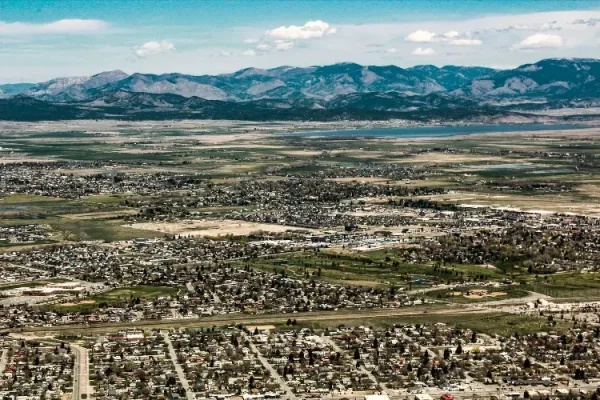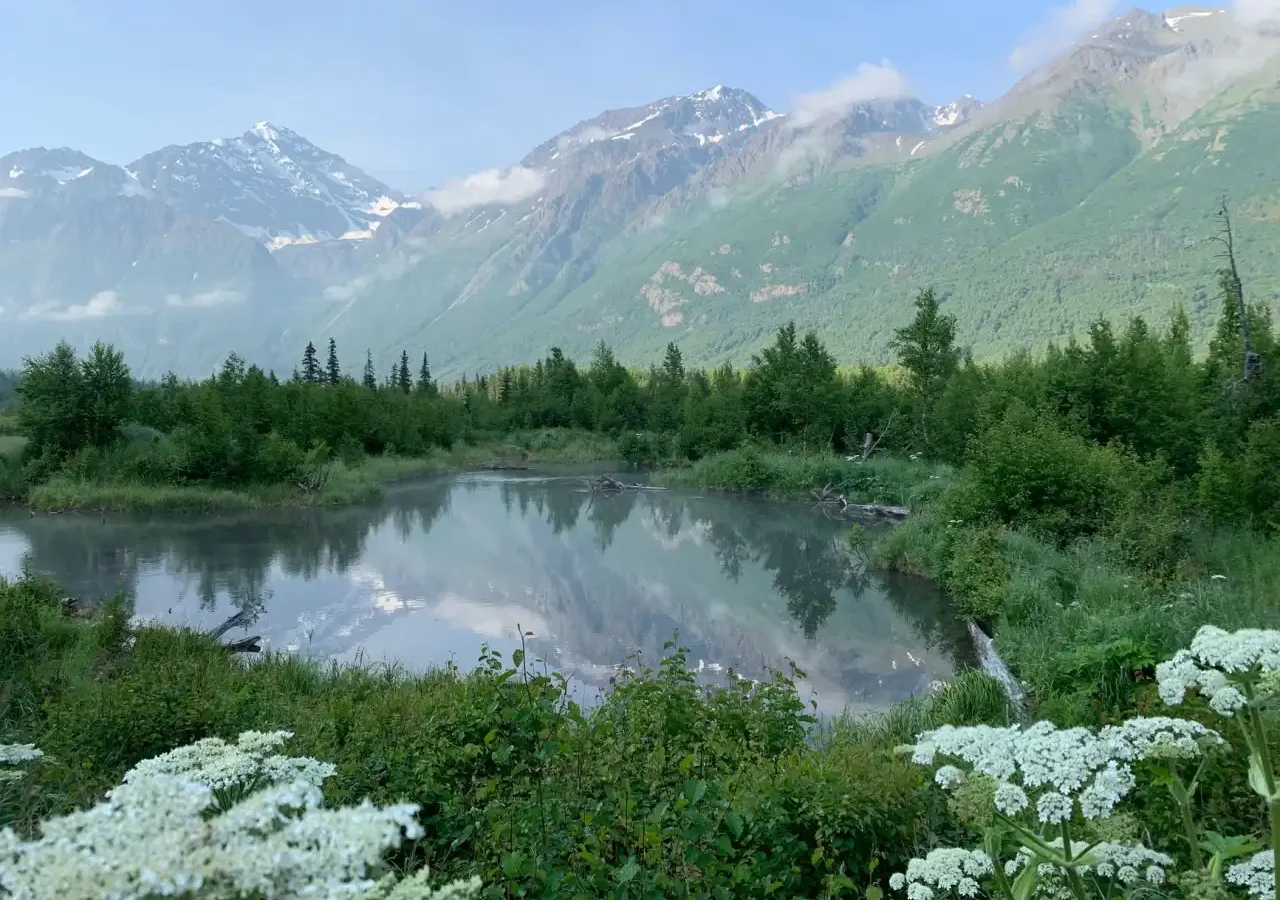
Settling in Alaska is a distinctive direction for those who love untouched nature, as this is the most remote state with unique scenery. Understanding it helps with assessment. This article introduces settling in Alaska.
Settling in Alaska: living environment
Alaska is the largest state by area and the most remote in the United States, located in the northwest, with Anchorage as its largest city. The state is known for its untouched nature, mountains, ice and snow, and unique wildlife. As such, settling in Alaska is a distinctive choice for nature lovers ready for a frontier lifestyle.
Alaska has spectacular natural scenery but also its own challenges: harsh cold climate, large seasonal variation in daylight hours, and higher costs for some goods due to its remote location. One notable point is that Alaska has no state personal income tax. Settlers need to carefully weigh the significant differences in living environment.
Jobs and opportunities
Alaska’s economy is tied to energy (oil and gas), fishing and seafood processing, tourism, transportation and public services. The fishing industry has a tradition that is familiar to many Vietnamese people. As a remote state with a small population, the labor market is not large, but specific industries such as energy and fishing still create opportunities for suitable workers.
With the EB-3 program – a federal skilled-worker immigrant visa based on employer sponsorship – workers can find opportunities in Alaska if they have a sponsoring employer. Note that EB-3 is a federal program applied nationwide, so choosing Alaska depends on where the sponsoring employer is located and where you want to live.
Considerations when choosing Alaska
To consider settling in Alaska, those interested should: research job opportunities (energy, fishing, tourism) and EB-3 sponsoring employers, carefully weigh the harsh climate and remote location, take advantage of the absence of state income tax, and assess readiness for a different lifestyle. Careful mental preparation is needed for this distinctive environment.
You should refer to USCIS information on EB-3 and information from the U.S. Department of Labor to learn about the skilled-worker immigration pathway in Alaska.
Summary
Settling in Alaska (city of Anchorage) is a distinctive choice for those who love untouched nature and are ready for a frontier lifestyle. The economy is tied to energy, fishing and tourism; there is no state personal income tax. The climate is harshly cold, the location remote, and costs for some goods are high. EB-3 is a federal visa based on employer sponsorship. You should carefully weigh the environment and find a sponsoring employer.