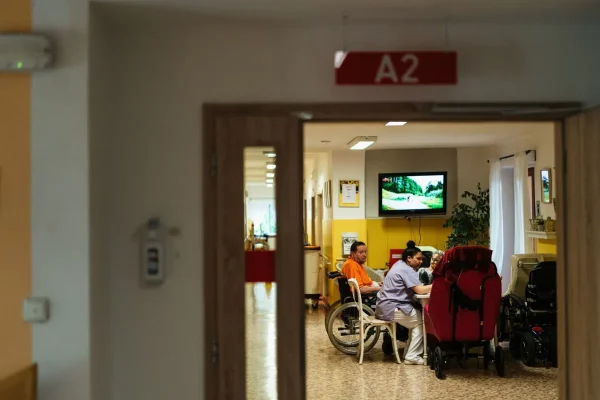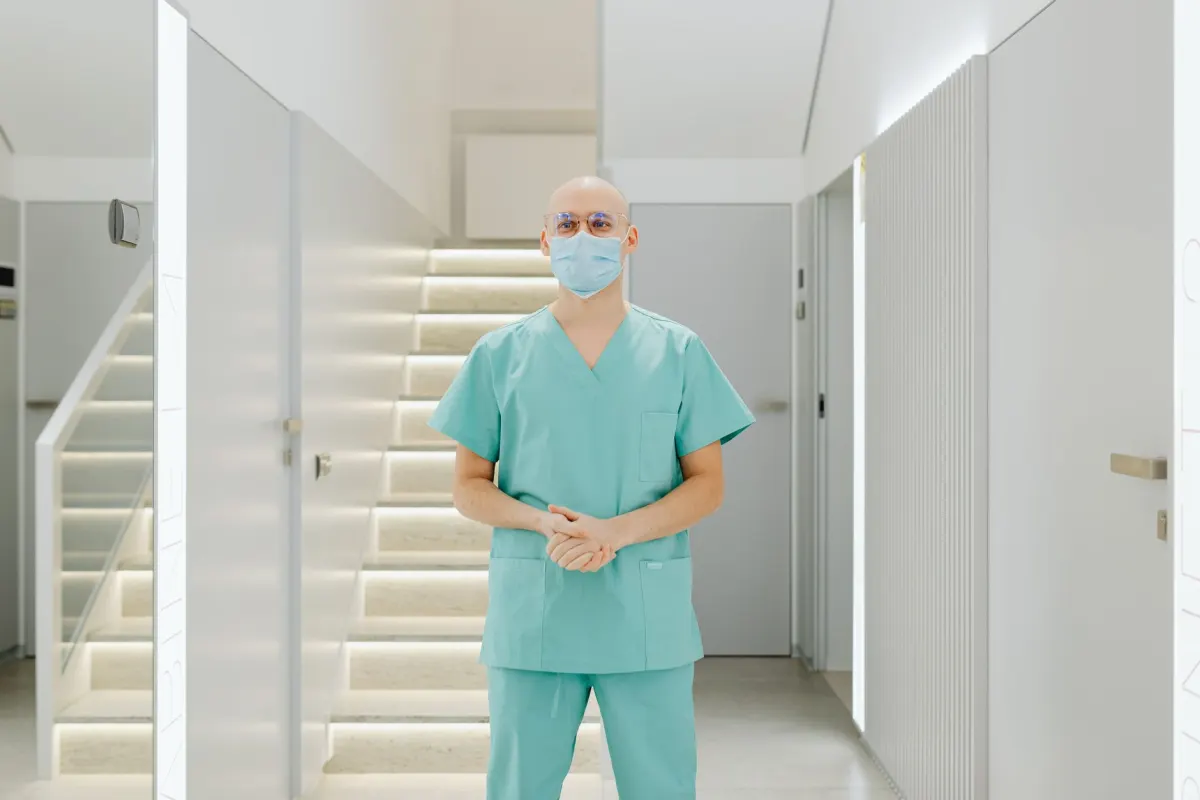
Settling in Germany in the healthcare sector is a direction worth considering, since healthcare is one of the most stable Engpassberufe (shortage occupation) groups. Settling in Germany in healthcare requires strict professional recognition. This article analyses the path for healthcare workers.
Settling in Germany in healthcare: opportunities
Settling in Germany in healthcare offers many opportunities, since healthcare is among the most stable Engpassberufe (shortage occupations) due to an ageing population and rising demand for care. The main groups are doctors, nurses (Pflegekraft), medical technicians, and pharmacists.
Healthcare workers often qualify for the EU Blue Card with a reduced salary threshold. Some specific occupations, such as nursing, have dedicated programmes to attract workers from abroad, with visa and integration support.
Professional recognition requirements
Healthcare is a strictly regulated profession in Germany, so Berufsanerkennung (professional recognition) from the responsible state authority is required to practise. For doctors, this is the Approbation (licence to practise). For nurses and some other occupations, it is the Berufserlaubnis or an equivalent recognition.
Requirements typically include: a qualification recognised as equivalent, German at B2 level (for nurses) or C1 level (for doctors), and sometimes a knowledge exam (Kenntnisprüfung) or supervised practical training. The process can take from several months to more than a year.
Pathway and notes
A typical pathway: learn German in Vietnam to B2/C1 level, submit an application for professional recognition in the target state, apply for an adaptation visa (Anpassungslehrgang) or a job-seeker visa, move to Germany for supervised practical training or to sit the Kenntnisprüfung, receive full recognition and start working officially.
Some German hospitals and organisations have recruitment programmes from abroad, offering support with German language and the recognition process. Interested candidates should look into these programmes alongside their own preparation.
You should refer to Make it in Germany and EU Blue Card Duc to check current conditions.
Summary
Settling in Germany in healthcare offers many opportunities (stable Engpassberufe) for doctors, nurses, technicians, and pharmacists, who qualify for the EU Blue Card at a reduced threshold. Professional recognition is required (Approbation for doctors, Berufserlaubnis for nurses), along with German at B2/C1 level, and sometimes the Kenntnisprüfung exam. You should start learning German early and look into recruitment programmes from abroad.