Hamburg migration is an option for skilled workers in logistics, maritime industries or media, in Germany’s largest port city. Hamburg migration comes with a diverse economy. This article analyzes it for skilled migrants.
Hamburg Migration: A Diverse Labor Market
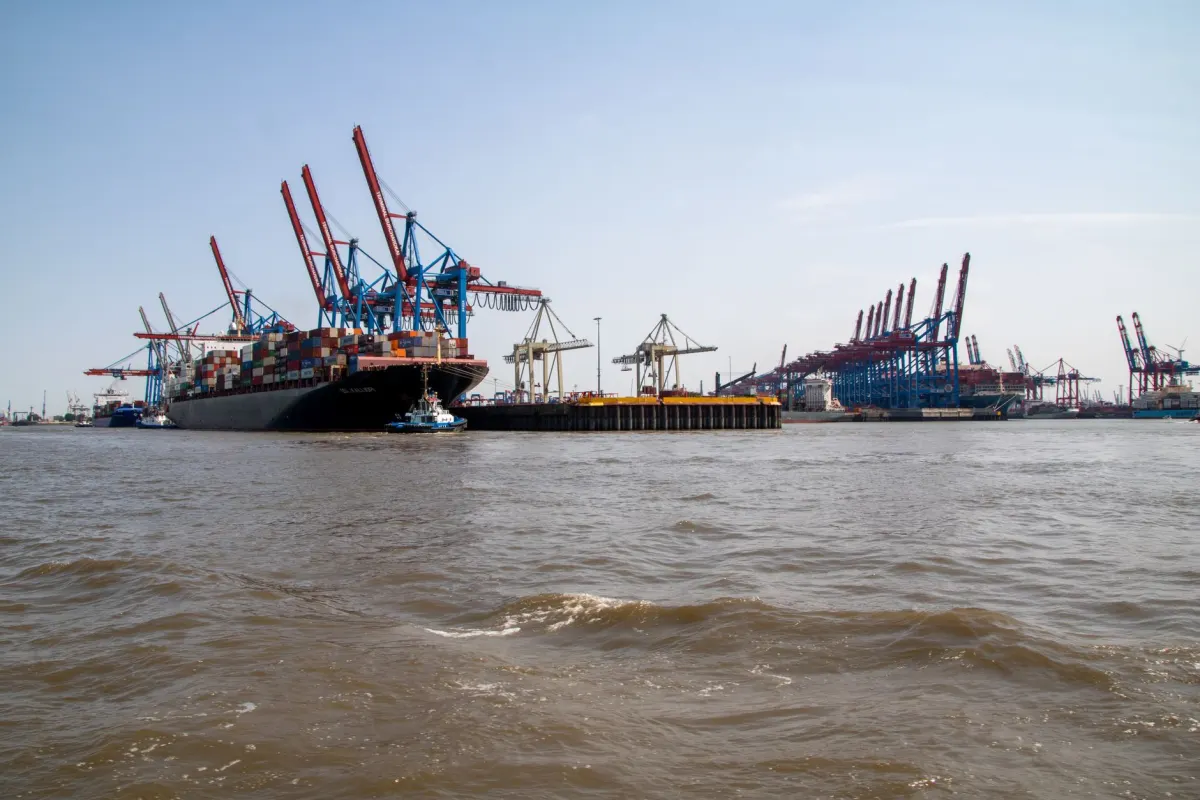
Hamburg migration offers a diverse labor market centered on logistics (the Port of Hamburg is one of Europe’s largest), aviation (Airbus has a major facility here), media, finance and services.
Skilled migrants in logistics, aviation, engineering, IT, finance or media have plenty of opportunities. Hamburg is also Germany’s second-largest startup hub after Berlin, with many technology and creative companies.
Life and Cost of Living in Hamburg
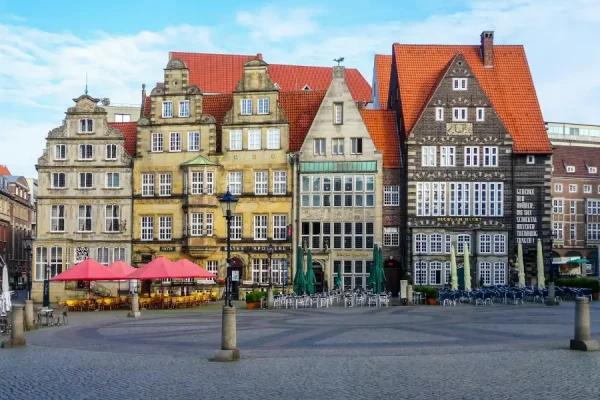
Hamburg has the second-highest cost of living in Germany after Munich, especially for rent. However, the city is known for its high quality of life, abundant green space, waterways (the Alster and the Elbe) and attractive architecture.
Hamburg’s climate is milder than many other German cities thanks to its proximity to the North Sea, though with frequent rain and fog. Its port-city culture is open and international. It is one of Germany’s most livable cities in terms of overall quality.
Vietnamese community and notes
Hamburg has a sizable Vietnamese community, concentrated in the Wandsbek and Hamburg-Mitte districts with many markets and restaurants. It is one of Germany’s second-largest Vietnamese communities after Berlin.
Skilled migration to Hamburg still follows the federal system via the FEG: the EU Blue Card, the Chancenkarte or a work permit. There is no city-specific category; you should check current requirements.
You should refer to the Make it in Germany portal and German Federal Employment Agency to check current conditions.
Summary
Hamburg migration involves Germany’s largest port city, with jobs in logistics, aviation (Airbus), media and finance, and the country’s second-largest startup scene after Berlin. Costs are the second-highest nationwide, but quality of life is high. The Vietnamese community is sizable. Migration conditions follow the FEG; you should check current requirements.