Cologne (Köln) migration is an option for skilled workers who want to live in Germany’s fourth-largest city, known for its open culture. Cologne migration comes with a developed media and services sector. This article analyzes it for skilled migrants.
Cologne Migration: A Diverse Labor Market
Cologne migration offers a diverse labor market centered on media (numerous TV and radio broadcasters such as WDR and RTL), insurance (Generali, Gothaer, AXA), logistics, chemicals and services. Cologne is also a major startup hub in NRW.
Skilled migrants in media, insurance, IT, logistics or services have plenty of opportunities. English is more commonly used in some international and startup sectors.
Life and Cost of Living in Cologne
Cologne has living and rental costs at the high end among Germany’s major cities, though lower than Munich and Frankfurt. The city is known for its Karneval festival, open culture and lively nightlife.
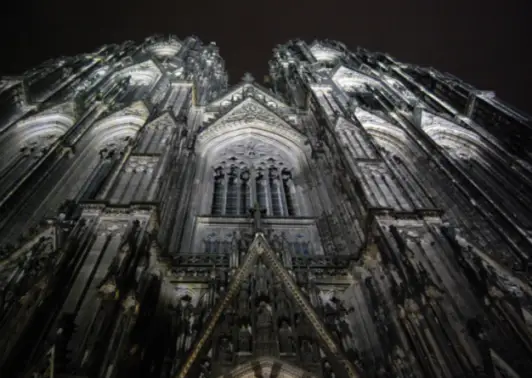
Cologne Cathedral (Kölner Dom) is a UNESCO World Heritage Site and the city’s symbol. The climate is temperate, with winters that are not too cold due to its location in southwestern Germany. Its large scale provides full urban amenities.
Vietnamese community and notes
Cologne has a fairly large Vietnamese community, one of the largest in western Germany. The community has many markets, restaurants and services catering to Vietnamese residents, especially in the central districts and Mülheim.
Skilled migration to Cologne still follows the federal system via the FEG, with no city-specific category. Choosing a city means choosing where to settle; you should check current requirements.
You should refer to the Make it in Germany portal and German Federal Employment Agency to check current conditions.
Summary
Cologne migration involves Germany’s fourth-largest city, with jobs in media (WDR, RTL), insurance (Generali, AXA), logistics, chemicals and startups. Its culture is open (Karneval), with UNESCO-listed architecture. Costs are high but lower than Munich/Frankfurt. The Vietnamese community is fairly large. Migration conditions follow the FEG; you should check current requirements.