Migrating to Rostock suits skilled workers in maritime and logistics in northeastern Germany. Rostock is the largest port in Mecklenburg-Vorpommern. This article analyses the city for skilled migrants.
Migrating to Rostock: the maritime and logistics job market
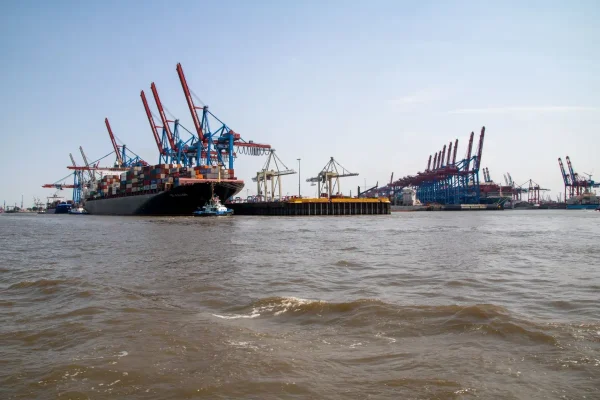
Migrating to Rostock means joining a job market tied to shipping, maritime industries, shipbuilding, logistics, healthcare and tourism. The Port of Rostock is Germany’s largest Baltic Sea port, with ferry traffic to Scandinavia.
The University of Rostock is one of the oldest universities in Northern Europe (founded 1419), strong in medicine and marine science. Skilled workers in maritime industries, logistics, healthcare, engineering or tourism have good opportunities.
Life and cost of living in Rostock
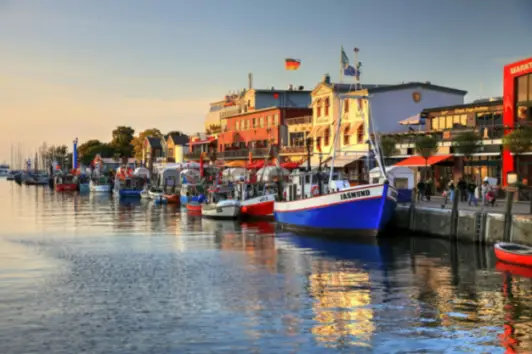
Rostock has a comfortable cost of living and rent compared to major cities in western Germany. It is a Hanseatic city with a beautiful old town on the Warnow River and the famous Warnemünde beach.
The Baltic Sea climate is milder than inland areas but windy in winter. Its medium size provides essential amenities. Suited to those who love the sea and Hanseatic history.
Vietnamese community and notes
Rostock has a moderate-sized Vietnamese community, one of the long-established communities in eastern Germany from the East German era. Newcomers can connect with the larger community in Berlin when needed.
Skilled migration to Rostock still follows the federal system via the FEG, with no city-specific stream. Choosing a city is about choosing where to settle; you should check current requirements.
You should refer to the Make it in Germany portal and German Federal Employment Agency to check current conditions.
Summary
Migrating to Rostock: the largest port in Mecklenburg-Vorpommern on the Baltic Sea, with jobs in maritime industries, shipbuilding, logistics, healthcare (University of Rostock, founded 1419), and tourism. Comfortable cost of living compared to the west. Hanseatic old town, Warnemünde beach. A moderate-sized Vietnamese community from the East German era. Migration conditions follow the FEG; you should check current requirements.