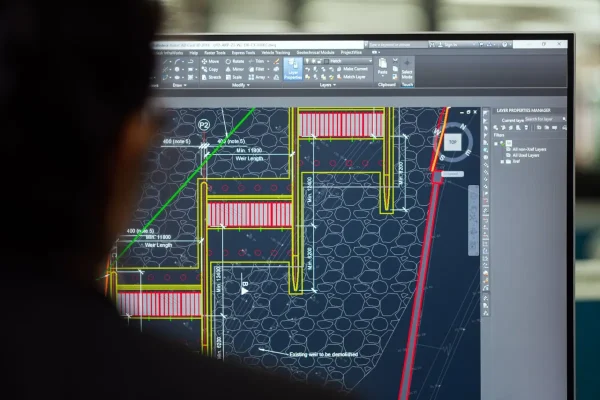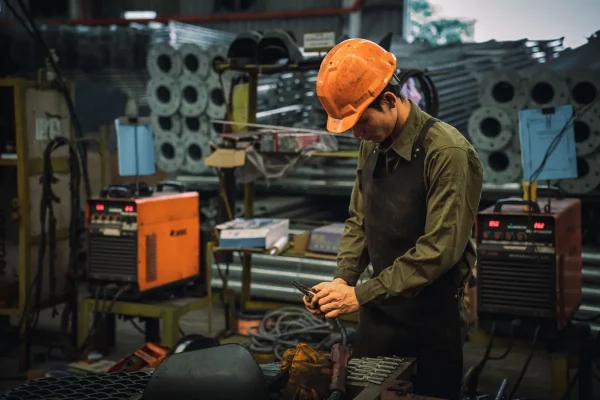
Settling in Australia in construction and mechanical trades is a path worth considering for skilled Vietnamese workers, as Australia continues to face a shortage of hands-on technical tradespeople in these fields. Understanding the opportunities and requirements helps you realistically assess your own chances.
In this article, the M2W team analyzes settling in Australia in construction and mechanical trades: why the opportunity exists, which occupations are on the settlement list, how skills are assessed, and the pathway for preparing your application. Information referenced from the Australian Department of Home Affairs and the Australian Bureau of Statistics.
Why settling in Australia in construction has opportunity
Australia has strong labor demand across many skilled occupations in construction and mechanical trades. Long-running infrastructure, housing and energy projects keep demand for hands-on technical tradespeople high, especially in regional areas outside major cities.
This is good news for Vietnamese workers with hands-on skills. In the skilled settlement system, hands-on technical occupations are often highly regarded if they are on the occupation list and the candidate can demonstrate real experience.
On income, according to the Australian Bureau of Statistics (ABS), the average wage in the construction industry is about A$1,958/week (November 2025). Tradespeople with skills and a trade license usually earn above the general average; you should check the latest figures for each specific occupation.
Construction and mechanical occupations on the settlement list
The first condition is that your occupation must be on the accepted occupation list, tied to a specific ANZSCO occupation code. Many construction and mechanical occupations fall under the skilled trades group on these lists.
Below are some representative occupations along with the assessing authority usually responsible:
- Metal Fabricator: assessed via Trades Recognition Australia (TRA).
- Electrician: skills assessed via TRA, usually including a practical test.
- Plumber: assessed via TRA, tied to a licensing requirement in Australia.
- Carpenter and Joiner: assessed via TRA.
- Mechanical Engineer: assessed via Engineers Australia.
- Civil Engineer: assessed via Engineers Australia.
You should look up your occupation on the official occupation list of the Australian Department of Home Affairs, as the list is updated according to labor demand and may change over time.
Skills assessment for construction and mechanical occupations
For hands-on trade occupations, the skills assessment is handled by Trades Recognition Australia and is usually stricter than for office occupations. This process may include a review of experience records, trade certificates and a practical skills test.
For engineering occupations, Engineers Australia assesses competency through a career episode portfolio. Whichever path applies, preparing complete documentation proving your skills, experience and work history is the decisive factor.
Since each occupation has its own authority and requirements, you need to identify the correct authority for your occupation from the start. Learn more about this step in the article Skills Assessment Úc to prepare without missing anything.
Requirements and pathway to settlement
Besides having an occupation on the list and a passing skills assessment, you need to meet the general requirements of the skilled category: reach the minimum points threshold, meet the English requirement, and pass health and character checks.
People working in construction and mechanical trades have a notable advantage in the regional pathway. The regional 491 category adds significant points and expands the occupation list, while many regional areas are in strong need of skilled tradespeople. You can see more in how Australian points-based migration scoring works and Australia’s regional areas.
Preparing your application for construction and mechanical trades
To prepare well, you should start by checking whether your specific occupation is on the list, then identify the appropriate assessing authority. Next, gather evidence of your skills and experience, and improve your English to the required level.
Settling in Australia in construction and mechanical trades is a realistic opportunity for skilled Vietnamese tradespeople, but it requires methodical preparation and patience. You can also refer to the article Australia migration occupations for an overall view of the occupation groups and corresponding opportunities.
Read more: Overview of Australian migration · Subclass 482 Skills in Demand: Australia’s Skilled Sponsored Visa