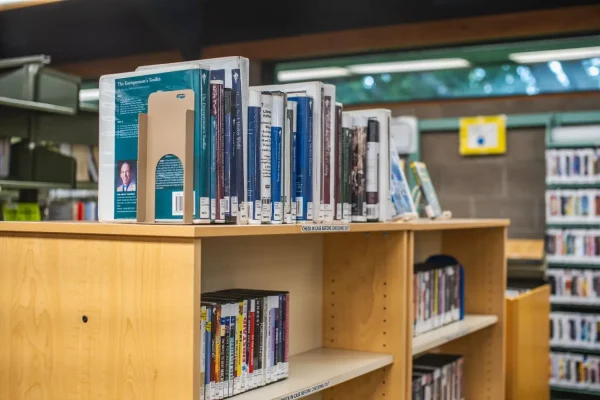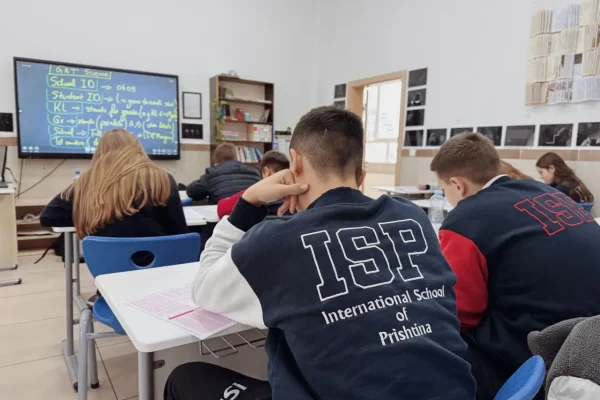
Keeping Vietnamese alive for your child in the US is something many parents want, so their child doesn’t forget their roots and stays connected with family and Vietnamese culture. However, this takes effort when the child lives in an English-speaking environment. This article shares how to maintain Vietnamese for your child in the US.
Keeping Vietnamese alive for your child in the US: why you should
Keeping Vietnamese alive helps a child stay connected with grandparents, relatives and their root culture. Bilingual children also have advantages in thinking and future opportunities. This is a valuable asset for your child.
Living in an English-speaking environment, children can gradually use less Vietnamese if it isn’t maintained. So families need to be proactive in helping children keep their mother tongue alongside learning English.
How to maintain Vietnamese at home
The most effective way is to use Vietnamese regularly at home: talking, storytelling, reading Vietnamese books together with your child. Creating a natural Vietnamese-language environment helps your child maintain listening and speaking skills.
Encouraging your child to communicate with grandparents and relatives in Vietnamese also gives them motivation and a real context to use the language. The Vietnamese community is also a useful environment.
Balancing two languages
Keeping Vietnamese alive does not hinder learning English; children can fully develop both languages in parallel. What matters is creating a positive environment, without forcing or pressuring, so your child comes to love Vietnamese.
You should refer to guidance for new immigrants to find community support resources, while maintaining Vietnamese at home in a natural, positive way.
Summary
Keeping Vietnamese alive for your child in the US helps them stay connected with family, root culture and gain the advantages of bilingualism. The effective way is to use Vietnamese regularly at home, read books, tell stories and encourage your child to communicate with relatives. You should create a positive environment, without forcing, so your child comes to love Vietnamese.
═══════════════════════════════════════════════════════════════════
References
- USCIS — Welcome to the United States: A Guide for New Immigrants: https://www.uscis.gov/welcomers
- USA.gov — About the U.S.: https://www.usa.gov/about-the-us
Read more: Overview of the EB-3 visa for US immigration · Choosing Where to Live Based on US Schools for Your Children