Canada biometrics collection is a mandatory step in almost every visa, work permit or permanent residence application for this country. This is the procedure for collecting biometric data — ten fingerprints and one digital photograph — that helps the immigration authority verify your identity. This guide presents the entire process step by step, from receiving the appointment letter through to completion, so you can prepare proactively and avoid unnecessary delays.
Biometrics is identifying data unique to each individual. For Canada, collecting fingerprints and a photo not only serves border security but also speeds up processing of future applications. So understanding the process correctly from the start will help you stay in step with the overall pace of your file.
What Canada biometrics collection is and why it is mandatory
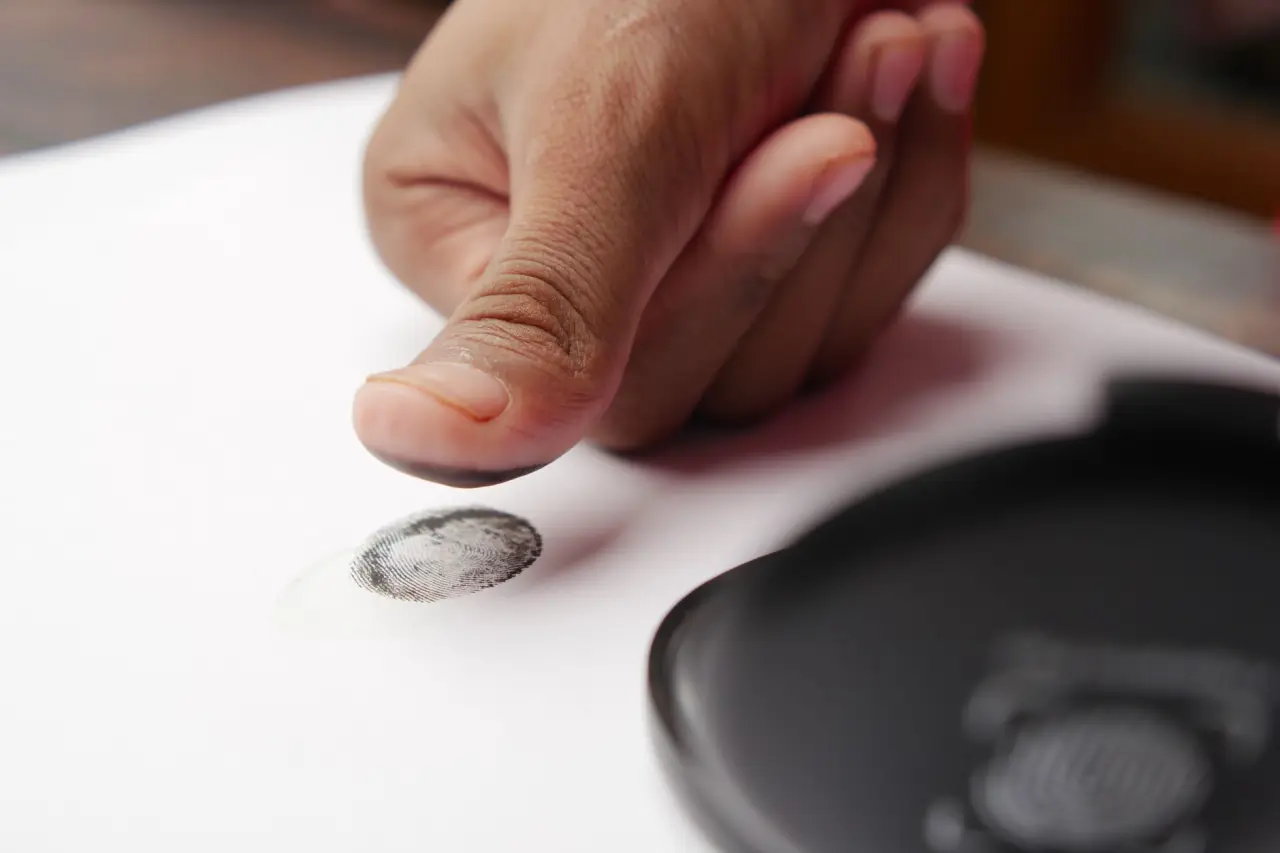
Biometrics is the set of biometric data that the Canadian immigration authority collects to verify an applicant’s identity. Specifically, each person provides ten electronically scanned fingerprints along with one photograph. This data is checked against security and immigration databases.
Most applicants for visitor visas, study permits, work permits or permanent residence fall under the requirement to provide biometrics. According to According to Immigration, Refugees and Citizenship Canada (IRCC), this requirement applies to citizens of most visa-required countries, including Vietnam. So you should treat this as a standard part of your application.
One important point to remember: biometric data remains valid for 10 years. During this period, if you submit a new application while your biometrics are still valid, the system will automatically reuse them and you will not have to give them again.
Who must give biometrics and who is exempt
Not everyone is required to provide biometrics. Determining which group you belong to from the start saves you unnecessary trips.
Groups that generally must give biometrics include:
- People applying for a visitor, tourist or transit visa.
- People applying for a study permit or work permit.
- People applying for permanent residence under economic, family or skilled worker categories.
In addition, some groups are exempt under the regulations:
- Children under 14 and people aged 80 or older (for most temporary resident categories).
- People who have already provided biometrics that are still within the 10-year validity period for a previous temporary resident application.
- Heads of state, certain diplomats, and other special cases.
However, the exemption age threshold for permanent residence may differ from that for temporary residence. So always rely on the official instruction letter for your own application rather than guessing.
What the Biometric Instruction Letter (BIL) is
After you submit your application and pay the fee, the IRCC system will determine whether you need to give biometrics. If so, you will receive a document called the Biometric Instruction Letter (BIL).
The BIL is a key document. This letter confirms you fall under the requirement to give fingerprints and authorizes you to attend a collection point. The BIL’s content usually includes an application reference number, appointment booking instructions, and the deadline for completion.
So you need to print the BIL on paper and bring it with you when giving biometrics. Without the BIL, the collection point will not accept you. Typically, you have about 30 days from the date you receive the letter to complete the data collection.
Where to give Canada biometrics
The biometrics collection location depends on where you currently live and the type of application. There are two main types of collection points, and choosing the right one will save you time.
| Collection point type | Who it serves | Characteristics |
|---|---|---|
| Visa Application Centre (VAC) | Applicants outside Canada, including Vietnam | The most common option for applicants filing from within their home country |
| Application Support Center (ASC) | Applicants while inside the United States | Applies to people currently residing in the US |
In Vietnam, you will typically give biometrics at a Canada Visa Application Centre (VAC) in major cities. To look up the nearest location and its business hours, you can refer to the official directory of Government of Canada (canada.ca). In addition, some cases filed at the border or a port of entry will have their own separate instructions.
Step-by-step Canada biometrics collection process
For clarity, the process can be broken down into the clear steps below. You should follow this order so your application is not interrupted.
- Submit your application and pay the fee. Complete your application online or on paper, paying the application fee together with the biometrics fee according to the current fee schedule.
- Receive the BIL. Wait for the Biometric Instruction Letter to be sent through your online account or by email. Print this letter on paper.
- Book an appointment. Contact a Visa Application Centre to book an appointment. Some locations require a prior appointment, while others accept walk-ins.
- Prepare your documents. Bring the BIL, your valid original passport, and any other identity documents the letter requires.
- Arrive at the collection point on time. Arrive earlier than your appointment time to go through security procedures and document checks.
- Provide your fingerprints and photo. Staff will scan all ten fingerprints and take a photograph. This process usually only takes a few minutes.
- Receive a receipt. Keep the receipt confirming completion for reference if needed.
Once completed, the biometric data is transferred to the IRCC system and attached to your file. From this point, your application continues to be processed on the normal timeline.
What documents to prepare and what to keep in mind when going
Preparing carefully beforehand helps you avoid having to make a second trip. Missing even one small document can be enough for the collection point to refuse to accept you that day.
The checklist to bring usually includes:
- The printed Biometric Instruction Letter (BIL).
- Your valid original passport, matching the information on your file.
- Any secondary identity documents if the letter requires them.
A few practical tips to help your biometrics appointment go smoothly:
- Keep your fingertips clean, free of bandages or open wounds that could blur the fingerprints.
- Only the person named on the BIL can attend; no one else can give biometrics on someone else’s behalf.
- For young children required to give biometrics, a guardian must accompany them per regulations.
In addition, if your fingerprints are too faint due to the nature of your occupation, staff will simply rescan multiple times. There is no need to worry, as this is a common situation with its own established procedure.
What happens to your application after giving biometrics
Completing biometrics does not mean your application has been approved. It is just one link in the processing chain. Understanding this helps you stay calm while waiting for the outcome.
Once the data has been recorded, your application continues through admissibility, security and, if applicable, medical assessment steps. Processing time depends on the visa type and the application volume at that time. So you should track the status through your online account.
Since biometrics remain valid for 10 years, a major benefit is that when you submit temporary resident applications later within that period, you usually will not have to give biometrics again. However, permanent residence applications may have their own separate requirements. So always read the instructions carefully for each specific type of application.
Summary
Giving biometrics is a mandatory but not complicated procedural step as long as you follow the correct sequence: submit your application and pay the fee, receive the Biometric Instruction Letter (BIL), book an appointment, attend a Visa Application Centre to provide ten fingerprints along with a photo, then keep the receipt. This data is valid for 10 years and helps future applications process faster.
Your next step is to check whether you fall under the biometrics requirement, have your passport ready, and wait for the BIL right after submitting your application. Once you receive the letter, book your appointment early so you don’t exceed the 30-day deadline.
If you would like detailed guidance tailored to your specific case and to avoid mistakes when preparing your Canada immigration application, My Second World’s team of immigration consulting experts is always ready to accompany you through every step.