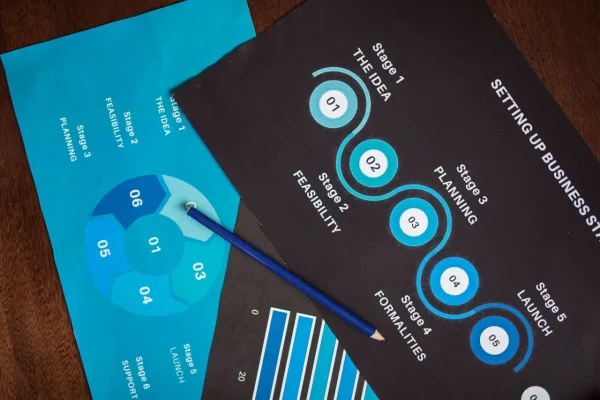
A roadmap to German migration helps interested parties visualize the entire journey instead of getting lost in scattered details. A roadmap to German migration includes clear steps from preparation to permanent residence. This article outlines the overall roadmap.
What stages does the roadmap to German migration include
A roadmap to German migration usually includes several main stages. First is building a foundation, including language and qualification recognition. Next is choosing a suitable pathway such as the EU Blue Card, Chancenkarte, or Ausbildung. Then comes receiving the visa, moving to Germany, and Anmeldung.
The final steps include accumulating enough residence time to qualify, then applying for the Niederlassungserlassung (permanent residence). Each stage has its own requirements and timeline. Looking at the whole roadmap to German migration helps you know where you stand and what to prepare next.
Order of priority when preparing
In the early stage of the roadmap to German migration, priority should go to tasks that take time and determine eligibility. Learn German to at least A1 for the Chancenkarte, and B1 for practical daily life. Check your qualifications on Anabin and get an equivalence assessment via ZAB if needed.
Only after that should you choose a specific pathway such as Blue Card, Chancenkarte, or Ausbildung based on your actual profile. Building a solid foundation gives you flexibility to switch pathways if conditions change.
From temporary residence to permanent residence and citizenship
After arriving in Germany, migrants need to complete Anmeldung within 14 days, purchase health insurance, open a bank account, and convert the entry visa into a residence permit at the Ausländerbehörde. This completes the first stage of the roadmap.
After the required period, usually 21–33 months for the Blue Card with B1 or A1, migrants can apply for the Niederlassungserlaubnis. After that comes the path to citizenship under the amended 2024 Citizenship Act, which shortens the required residence period.
You should refer to German Skilled Immigration Act and trang Niederlassungserlaubnis to check current conditions.
Summary
The roadmap to German migration includes building a foundation (language, qualification recognition), choosing a pathway (Blue Card/Chancenkarte/Ausbildung), receiving the visa, Anmeldung, accumulating residence time, applying for the Niederlassungserlaubnis, then naturalization. Each stage has its own requirements; you should build your foundation early and check current conditions from official government sources.