Entering the US for the first time on an immigrant visa is the milestone that closes out the EB-3 journey and opens a new life in the United States. After many months of waiting through PERM, I-140, and the interview, the moment you step through the port of entry is when your lawful permanent resident status officially begins. This guide walks through each step to take at the US airport, the documents to bring, and the procedures to complete after arrival.
The procedure at the port of entry is not as complicated as many people worry, but there are a few details that must be handled correctly. Careful preparation helps you clear inspection quickly, avoid misunderstandings, and start your life in the US smoothly.
What to prepare before your first flight to enter the US
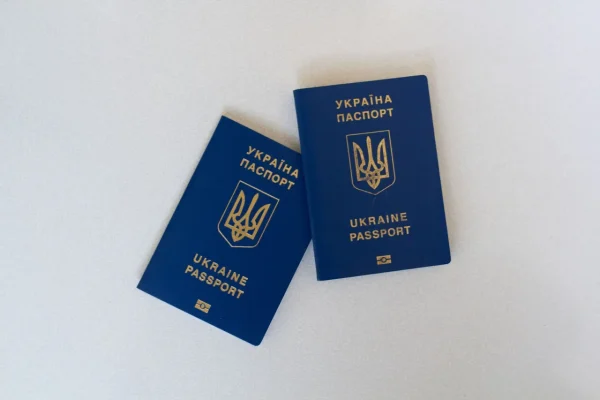
Before your flight date, you should review all your immigration documents. Most important is your passport with the immigrant visa affixed and phong bì niêm phong issued by the Consulate after the interview.
You must absolutely not open the sealed envelope under any circumstances. Inside is the immigration file that the Consulate prepared for the border officer. If the envelope is opened, torn, or lost, entry procedures could be significantly delayed. Keep the envelope together with your passport in your carry-on bag, not in checked luggage.
In addition, you should bring copies of the original documents used at the interview, the address where you will stay in the US, and the contact information of the sponsoring employer. This information is useful if the border officer needs to ask further questions.
Besides documents, you should also prepare mentally for a long flight and time-zone change. Plan your schedule to arrive at the airport early, allowing extra time to get through the checkpoints. For families with young children, bringing necessary supplies and a bit of cash in USD for initial expenses will make the first few days in the US less overwhelming.
Paying the USCIS Immigrant Fee before flying
One step many Vietnamese applicants forget is paying the USCIS Immigrant Fee. This is the fee that a future permanent resident must pay to U.S. Citizenship and Immigration Services so the Green Card can be produced and mailed.
Theo U.S. Citizenship and Immigration Services (USCIS), this fee is paid online on the agency’s official website, per the current fee schedule. You should pay it right after receiving your visa, and ideally before flying to the US.
The reason is very practical: if the fee is unpaid, USCIS will not print and mail your Green Card, even though your entry has been completed. So completing this step early avoids the situation of already living in the US but never receiving the card.
Steps at the port of entry when entering the US for the first time
When the plane lands, you will follow the flow of passengers to the immigration inspection area. Holders of an immigrant visa line up in the lane for visitors, not the lane for US citizens. The basic sequence includes the following steps:
- Line up for passport inspection at the Customs and Border Protection (CBP) counter.
- Submit your passport along with the sealed envelope to the border officer.
- Answer a few questions about the purpose of entry, where you will live, and your job.
- Fingerprinting and photo as required by the officer.
- Receive your passport back stamped confirming permanent resident status.
- Go through the customs area to declare luggage if needed.
The border officer will open the sealed envelope and process the file inside. This is why you must not open it yourself. According to guidance from U.S. Department of State, only the officer at the port of entry is authorized to open the sealed file package and complete the procedure admitting you into US territory as a permanent resident.
The questions at the counter are usually quite basic and meant to confirm the information in your case. You may be asked where you will live, who you will work for, and who is traveling with you. Answer honestly, briefly, and consistently with the documents you submitted. If you do not hear clearly, you can politely ask the officer to repeat it; the unskilled-worker category does not require fluent English, so do not worry too much about your language ability.
If the whole family is entering together, each member must go through inspection separately and have fingerprints and a photo taken according to age requirements. You should stay together as a group so the officer can process the case smoothly, avoiding confusion from being split up.
The I-551 stamp and permanent resident status
After processing the case, the CBP officer will place a stamp in your passport. This stamp is commonly called the I-551 stamp or ADIT stamp.
The I-551 stamp serves as temporary evidence of lawful permanent resident status while you wait for the plastic Green Card to be mailed. The stamp is typically valid for about 1 year from the date of entry.
So you need to keep your passport carefully after entry. While waiting for the Green Card, the I-551 stamp is the document proving your right to live, work, and travel lawfully in the US. If you need to start work or open a bank account right away, this stamp is the important legal basis for doing so.
After clearing the port of entry: getting the Green Card and applying for an SSN
Once you have officially entered, you become a lawful permanent resident from that moment. However, there are still a few more procedures to complete to settle into life in the US.
The plastic Green Card will be printed by USCIS and sent to your US address that you provided, provided the USCIS Immigrant Fee has been paid. Delivery time can vary, so make sure your mailing address is accurate and stable. If you move, you must report the new address to USCIS to avoid losing the card.
In addition, one thing worth doing early is applying for a Social Security Number (SSN). In many cases, an SSN can be issued automatically when applying for the immigrant visa; if not, you should go to your local Social Security Administration office to file an application. An SSN is needed for most things in the US: working, paying taxes, opening a bank account and getting a driver’s license.
Also, if the sponsoring employer has already arranged the job position, you should reach out early to confirm the start date and onboarding procedures. Starting work as committed in the EB-3 petition is important for maintaining permanent resident status.
Important notes on deadlines and travel
There are a few time milestones you must pay special attention to right from your first entry, so as not to affect your newly obtained permanent resident status.
First is the entry deadline printed on the immigrant visa. This deadline is usually tied to the validity of the medical exam results and typically lasts about 6 months. If you fly after this deadline, you may have to redo the medical exam or reapply for the visa, causing delays and extra costs according to the current fee schedule.
Once you have entered the country, a core principle is that permanent residents must actually reside in the US. Being away from the US for a long continuous period may be considered abandonment of permanent resident status. Therefore, if you plan to return to Vietnam for an extended period early on, you should carefully review the rules on absence periods before leaving.
Summary
Entering the US for the first time on an immigrant visa is the final step but requires care: keep the sealed envelope intact, pay the USCIS Immigrant Fee before flying, cooperate fully at the port of entry to receive the I-551 stamp, then complete the Green Card and SSN steps after arrival. Once you understand these steps clearly, you will be ready to confidently begin your permanent resident life in the United States.
Next steps, you can review the entire roadmap in the article the step-by-step EB-3 case and the preparation stage right before it in the article EB-3 visa interview. If you need detailed guidance for each stage until the day you set foot in the US, My Second World’s team of immigration consultants is always ready to help.